Ctrl K
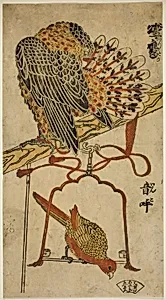
1696–1716
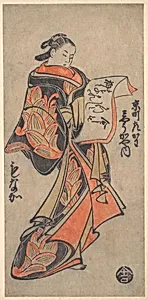
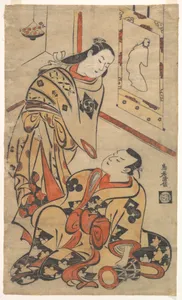
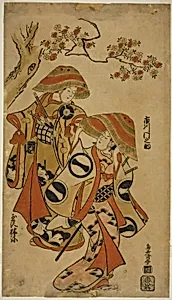
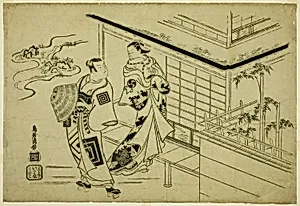
Torii Kiyomasu I was a Japanese ukiyo-e artist working in the early eighteenth century, closely associated with the Torii school, one of the most important lineages in the history of Japanese woodblock printmaking. The Torii school was founded by Torii Kiyonobu, and Kiyomasu I is believed to have been either his son or a close pupil — the precise family relationship remains a matter of scholarly discussion. What is not in dispute is that Kiyomasu I worked squarely within the distinctive aesthetic established by the school's founder and helped extend its influence through the first decades of the eighteenth century.
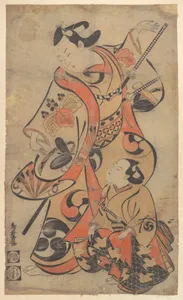
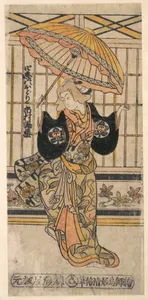
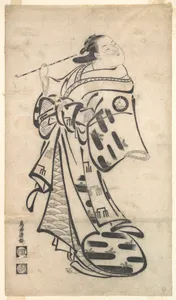
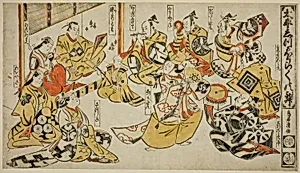
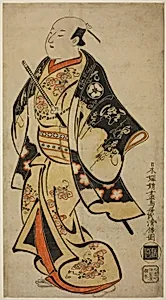
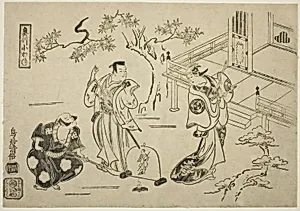
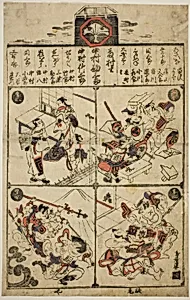
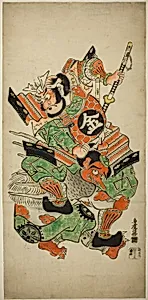
The Torii school became especially famous for its association with the Kabuki theater, and the school's artists developed a recognizable visual language for representing actors and dramatic scenes. Their figures are characterized by bold, dynamic lines — a style described in Japanese as hyotan-ashi (gourd-shaped legs) and mimizu-gaki (worm-like brushstrokes) — which convey the muscular power and exaggerated posturing of Kabuki performance. Kiyomasu I mastered this vocabulary and applied it with skill and inventiveness in his prints.
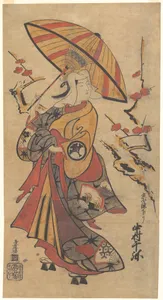
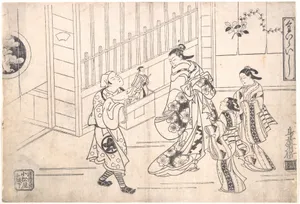
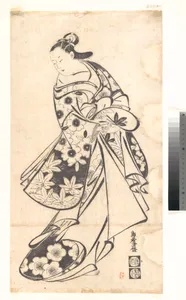
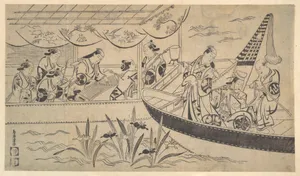
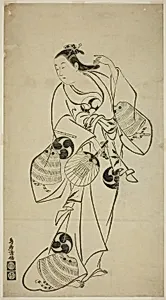
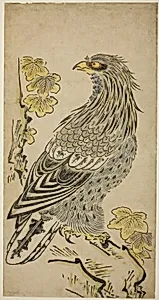
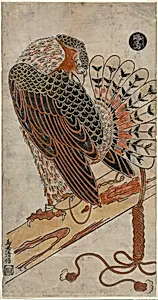
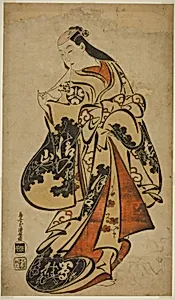
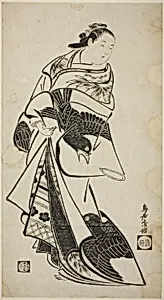
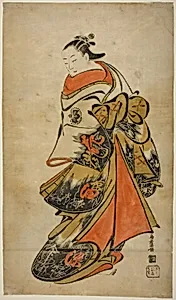
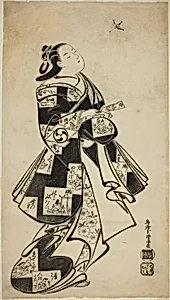
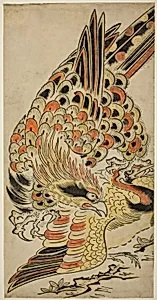
Beyond theatrical subjects, Kiyomasu I also produced prints depicting beautiful women (bijin-ga) and scenes of nature, demonstrating a range that went beyond the school's primary theatrical association. He worked in both hand-colored tan-e (prints colored with orange-red pigment) and the sumizuri-e (ink-only prints) formats characteristic of his era, before the development of full polychrome printing later in the eighteenth century.
Kiyomasu I's prints are now held in major collections of Japanese art around the world and are prized for their bold compositions and their vivid representation of the popular culture of early Edo-period Japan. His work stands as an important contribution to the early history of ukiyo-e, the art of the floating world that would go on to captivate audiences in Japan and, eventually, across the globe.