Ctrl K
1786–1864
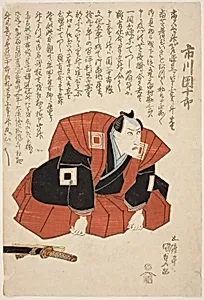
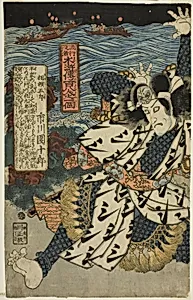
Utagawa Kunisada I, also known as Toyokuni III (1786–1865), was born Sumida Shōgorō in the Honjo district of Edo (modern Tokyo) into a family that operated a hereditary ferry-boat service, providing stability after his father's early death. Displaying prodigious talent in drawing from childhood, he became an apprentice to the master Utagawa Toyokuni I around 1801 at age fifteen, entering the prestigious Utagawa school of ukiyo-e woodblock printmaking. There, he honed his skills in figure studies, rapidly rising to prominence; his first book illustrations appeared in 1807, followed by actor prints (yakusha-e) in 1808–1809, earning him recognition as a "star attraction" alongside his teacher.
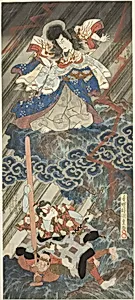
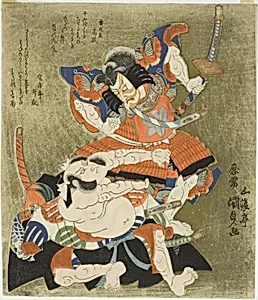
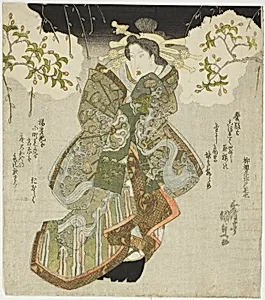
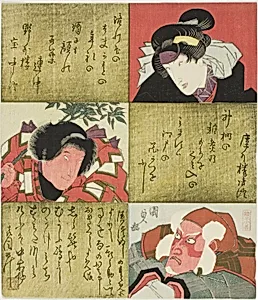
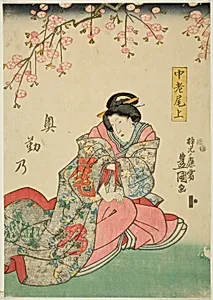
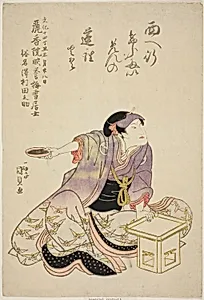
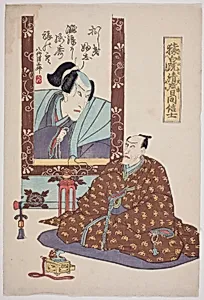
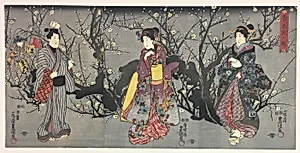
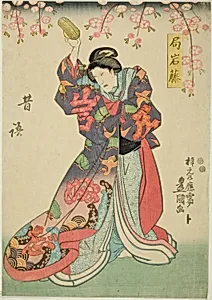
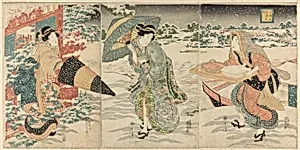
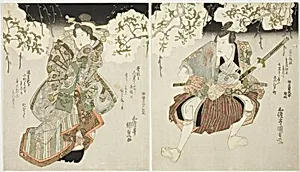
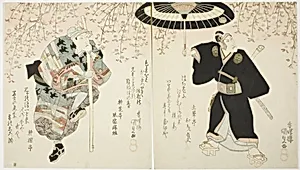
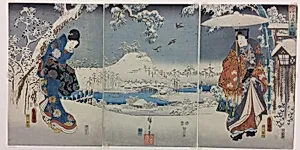
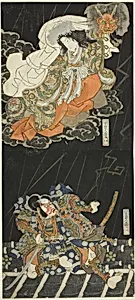
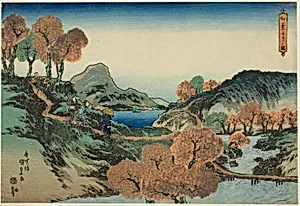
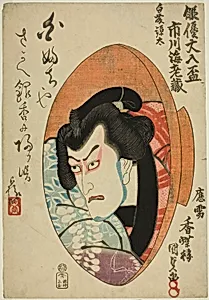
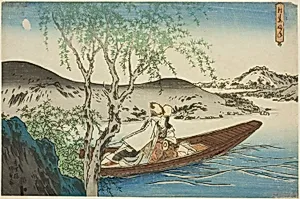
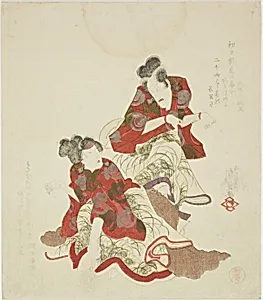
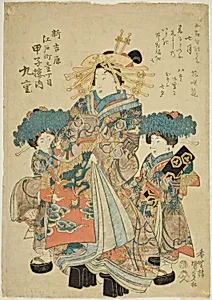
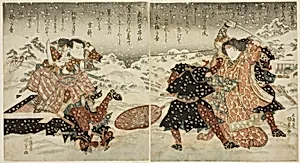
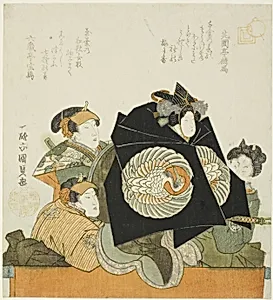
Kunisada worked in the vibrant Utagawa school tradition, excelling in dynamic yakusha-e (over 60% of his output), bijin-ga portraits of beautiful women, sumo wrestlers, and literary illustrations, while occasionally venturing into landscapes and erotica (shunga). His powerful, expressive style captured the theatricality of kabuki actors and the allure of courtesans, often with bold colors and intricate patterns. Major works include his masterful illustrations for the parody novel *Nise Murasaki Inaka Genji* (1829–1842), a series he monopolized alongside other *Tale of Genji* prints from 1835–1850; the bijin-ga series *The Hours of the Yoshiwara* (c. 1818); and sumo triptychs like one from c. 1851. By the 1820s, his large studio dominated Edo's print market, producing around 20,000 designs over five decades.
In 1844, following the death of Toyokuni II, Kunisada adopted the name Toyokuni III, solidifying his leadership of the Utagawa school. He collaborated with rivals like Utagawa Hiroshige on series such as a *Fifty-three Stations of the Tōkaidō* with foreground figures (c. 1852) amid Tenpō Reforms censorship. Kunisada mentored a vast network of pupils, including Utagawa Kunisada II—whom he adopted after his marriage to Kunisada's daughter Osuzu in 1846—alongside Sadahide, Fusatane, and Toyohara Kunichika. His legacy endures as 19th-century Japan's most prolific and commercially triumphant ukiyo-e artist, outselling contemporaries like Hokusai and Hiroshige; once dismissed by early Western critics as "decadent," he is now hailed as a giant for vividly chronicling Edo's urban pulse. Our collection proudly features 100 of his works, testament to his enduring appeal.