Ctrl K
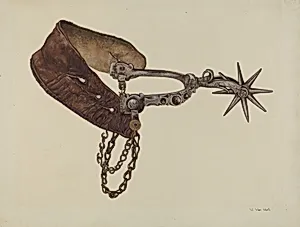
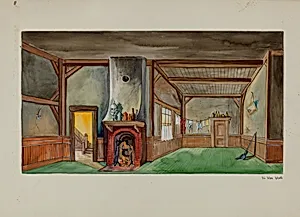
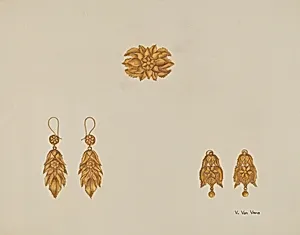
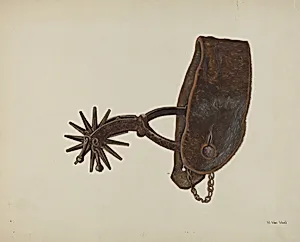
Vera Van Voris is an artist whose works have been preserved in museum collections in sufficient number to indicate a serious and sustained artistic practice, even though her biographical details — birth and death dates, nationality, and the particulars of her training — remain undocumented in the standard art-historical literature. Her distinctive name suggests possible Dutch or Central European heritage, though the evidence for this is circumstantial.
The decades spanning the late nineteenth and early twentieth centuries saw significant numbers of women artists build careers that were recognized and collected in their own time but subsequently fell into obscurity as the canon was consolidated around a narrower set of names. Van Voris may have been among this cohort — productive, collected, and visible to her contemporaries in ways that the later historical record has not adequately captured. Recovering such figures is one of the ongoing tasks of art history.
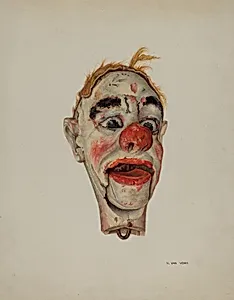
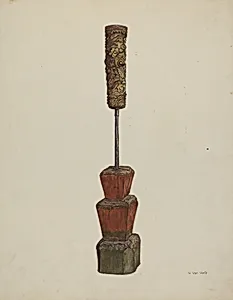
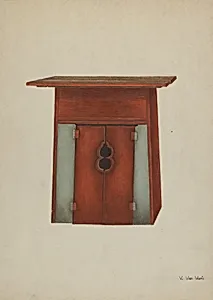
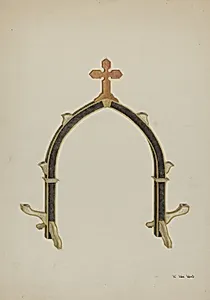
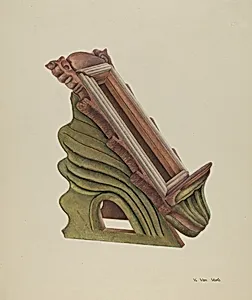
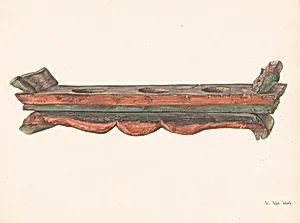
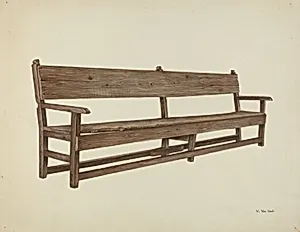
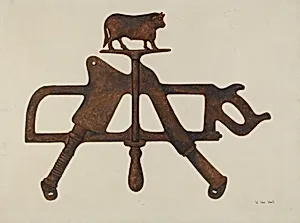
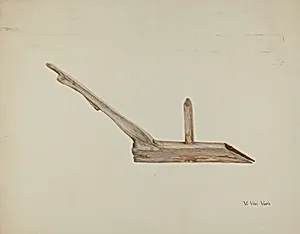
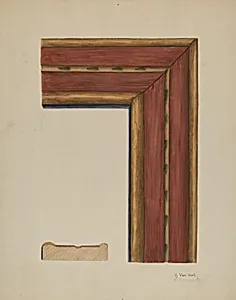
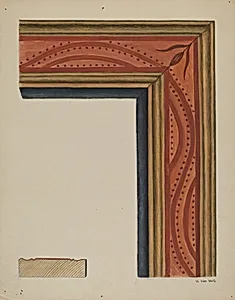
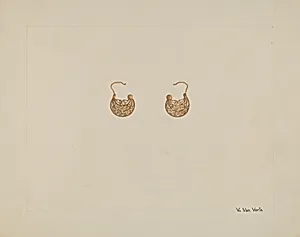
Van Voris's surviving works reflect whatever technical and stylistic emphases characterized her training and her immediate artistic environment. The consistency implied by her body of work suggests someone with command of her chosen medium and a clear sense of what she wished to express or document — qualities that earned her the sustained interest of collectors and institutions that acquired and preserved what she made.
Vera Van Voris stands as an example of the many artists — women especially — whose careers have been incompletely documented and whose work therefore survives without the narrative scaffolding that would help contemporary audiences fully appreciate its context and significance. Further research into exhibition records, art society membership lists, and period publications may yet restore a fuller account of her life and achievement.