Ctrl K
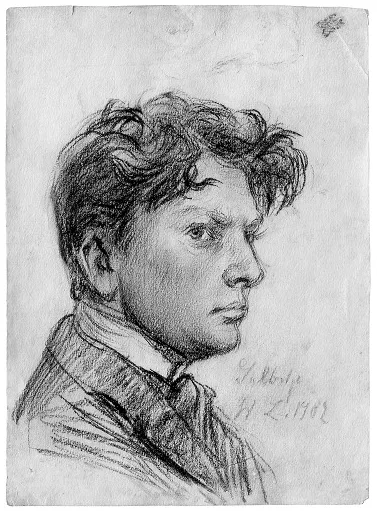
1881–1919
Wilhelm Lehmbruck (1881–1919) was a German sculptor whose elongated, melancholic figures rank among the most moving works produced by European Expressionism. Born in Duisburg-Meiderich into a working-class family, Lehmbruck studied at the School of Arts and Crafts in Düsseldorf and later at the Düsseldorf Academy, where he mastered the academic tradition before pushing beyond it toward a more personal and emotionally charged vision. A formative period in Paris from 1910 to 1914 exposed him to the innovations of Auguste Rodin and Aristide Maillol, whose contrasting approaches — one of turbulent surface and psychological drama, the other of serene classical volume — both left traces in his developing sculpture.
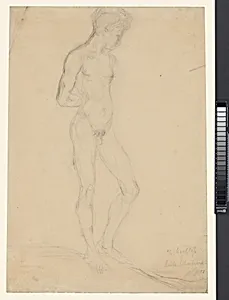
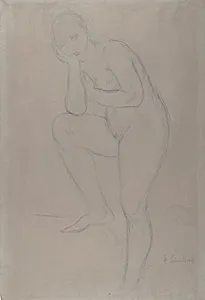
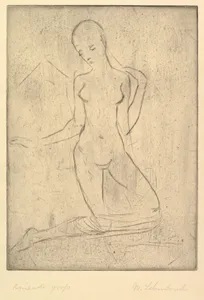
Lehmbruck's breakthrough works — "Kneeling Woman" (1911) and "Standing Youth" (1913) — established his distinctive manner: figures of supernatural elongation and spiritual gravity, their attenuated limbs and bowed heads evoking an inner world of contemplation, suffering, and fragile human dignity. These sculptures were exhibited internationally and recognized as major contributions to modern art, winning Lehmbruck admiring attention from critics and fellow artists across Europe and America.
The First World War devastated Lehmbruck personally and artistically. His wartime sculptures, including "The Fallen" (1915–16), expressed with harrowing directness the grief and waste of the conflict. The experience of the war years wore deeply on him, and he died by suicide in Berlin in 1919, at thirty-seven.
Lehmbruck's legacy is that of an artist who found in sculpture a language adequate to human suffering and spiritual yearning at one of the most catastrophic moments in modern history. His work is held in major German and international collections, and the Wilhelm Lehmbruck Museum in Duisburg, devoted to his memory and to sculpture more broadly, stands as an enduring testament to his significance.