Ctrl K
1800–1877
William Henry Fox Talbot (1800–1877), a British polymath whose ingenuity transformed visual representation, was born on 11 February 1800 at Melbury House, Dorset, the only child of William Davenport Talbot of Lacock Abbey and Lady Elisabeth Fox Strangways, daughter of the 2nd Earl of Ilchester. His father died shortly after his birth, leaving the family in financial straits until his formidable mother restored the Lacock Abbey estate. Tutored early by his mother in languages and botany, and later by governess Agnes Porter, Talbot attended Harrow School and Trinity College, Cambridge, where he excelled in mathematics and classics, graduating as twelfth wrangler in 1821. In 1832, he married Constance Mundy, with whom he had six children, including Charles Henry, Ela Theresa, Rosamond, and Matilda Caroline. A honeymoon sketching failure at Lake Como in 1833, using a camera lucida, sparked his quest to capture nature's "pencil" through light.
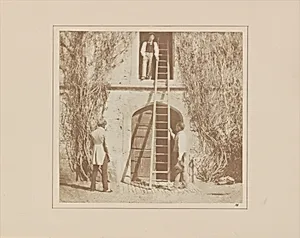
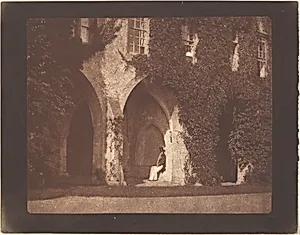
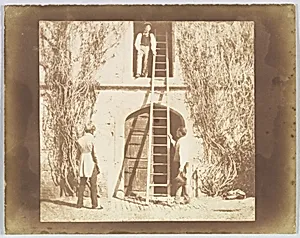
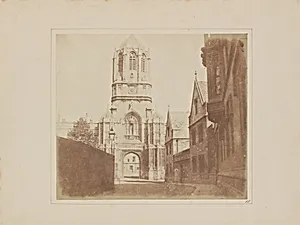
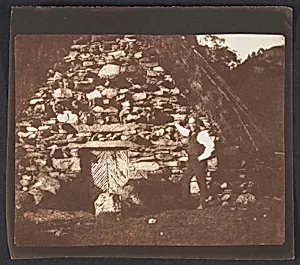
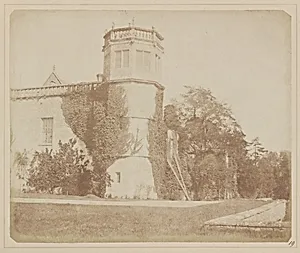
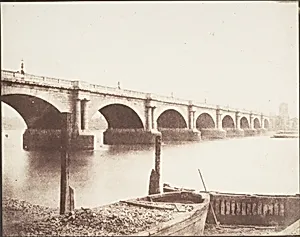
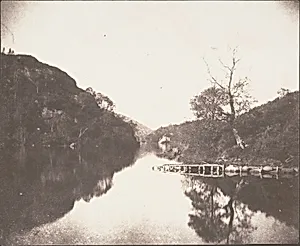
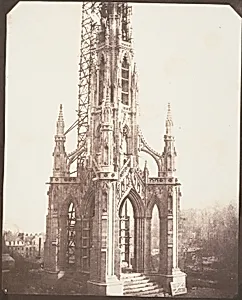
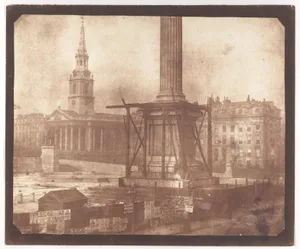
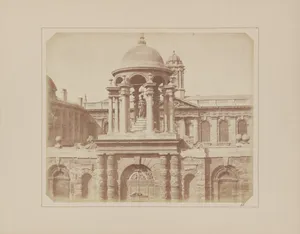
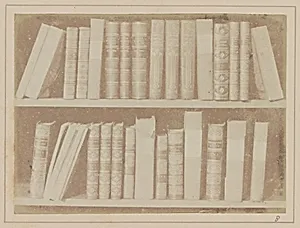
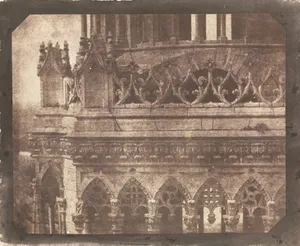
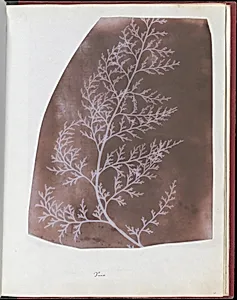
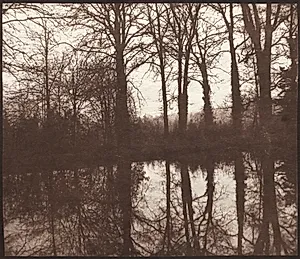
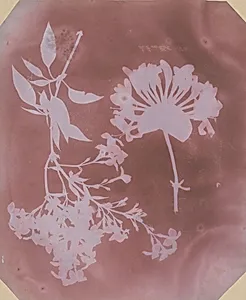
Self-taught in photography amid his scientific pursuits—spanning optics, chemistry, and astronomy—Talbot pioneered the salted paper process, or photogenic drawing, in 1834, creating contact prints of botanical specimens and the earliest surviving camera negative, *The Oriel Window, Lacock Abbey* (c. 1835). By 1840, he discovered the latent image, enabling the calotype (patented 1841), a paper negative-positive system that allowed multiple prints from one exposure, revolutionizing the medium against Daguerre's singular metal plates. Key works include *Articles of Glass* and *Bust of Patroclus* (1843), *The Open Door* and *The Haystack* (1844), and architectural views like *York Minster* and *One of the Towers of Orleans Cathedral* (1843).
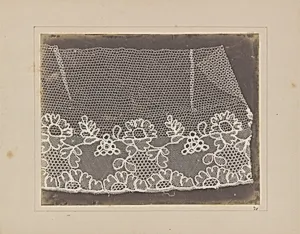
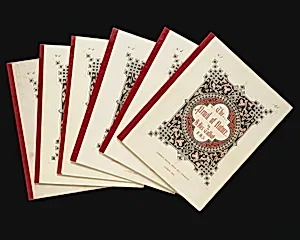
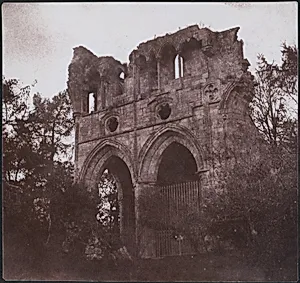
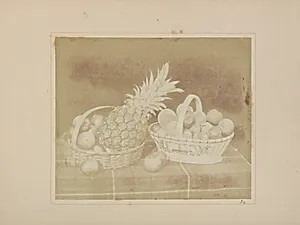
Talbot's calotype style yielded soft, textured images—lilac-toned salted paper prints of plants, still lifes, and architecture—elevating photography as an artistic tool for faithful nature studies. He published *The Pencil of Nature* (1844–1846), the first photographically illustrated book, and *Sun Pictures in Scotland* (1845), alongside establishing the Reading Establishment for commercial printing. His later photoglyphic engraving (1850s) presaged photogravure. Though his patent hindered British commercial growth until 1854, Talbot's negative-positive foundation endures as the bedrock of photography, securing his legacy as its true architect. He died at Lacock Abbey on 17 September 1877.
![[The Oriel Window, South Gallery, Lacock Abbey]](https://images.artheonmuseum.org/met/ph/thumb/the-oriel-window-south-gallery-lacock-abbey-282004.webp)
![[Dandelion Seeds]](https://images.artheonmuseum.org/met/ph/thumb/dandelion-seeds-285342.webp)