
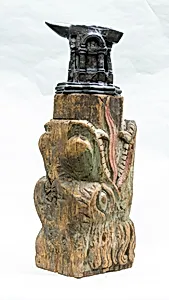
Anvil
Unknown Artist
16th century
Medium
Iron
Dimensions
H. of anvil 11 5/8 in. (29.5 cm); Wt. 251 lb. (113.85 kg)
Classification
Miscellaneous
Culture
Italian
Department
Arms and Armor
Museum
Metropolitan Museum of Art, New York, NY
Credit
Gift of Mrs. Ambrose Monell, in memory of Colonel Ambrose Monell, 1921
Accession Number
21.125.1
Rights
Public Domain
Art Historical Context
Step into the world of Renaissance craftsmanship with this robust 16th-century Italian anvil, a humble yet indispensable tool now housed in the Metropolitan Museum Art's Arms and Armor. Crafted from iron, it stands just 11⅝ inches (29.5 cm) tall but weighs a formidable 251 pounds (11385 kg), underscoring its design for enduring the intense hammering of molten metal. Donated in 1921 by Mrs. Ambrose Monell in memory Colonel Ambrose Monell, artifact bridges the gap between utility and history. In 16th-century Italy, a hub of artistic and martial innovation during the Renaissance, anvils like this were the heartbeat of workshops producing legendary plate armor and edged weapons. Master smiths in cities like Milan relied on such precisely forged tools to shape high-carbon steel into form-fitting protection for nobility and soldiers. Though classified as miscellaneous, its presence highlights the unsung engineering behind Europe's finest arms—where brute strength met meticulous skill. This anvil invites us to appreciate the "invisible art" of the forge: the sparks, sweat, and precision that armed the age of chivalry. A testament to Italian metalworking prowess, it reminds visitors that great achievements often rest on sturdy foundations.