
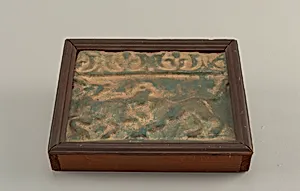
Border Tile
possibly 16th century
Medium
tiles
Classification
tiles
Department
Smithsonian Collection
Museum
Smithsonian American Art Museum
Credit
Smithsonian American Art Museum
Accession Number
1960-176-1
Rights
Public Domain
About this artwork
Research in Progress
Art Historical Context
### Border Tile Nestled in the Smithsonian American Art Museum's collection this *Border Tile* invites visitors to ponder the artistry of an earlier era. Created by an unknown artist and possibly dating to the 16th century it represents a humble yet enduring form of decorative tilework. As part of the Smithsonian Collection, classified simply as "tiles," it hints at the practical beauty of ceramics used in everyday or architectural settings during a time of Renaissance innovation across Europe and emerging colonial influences. Tiles from this period were prized for their durability and vibrant designs, often serving as borders to frame larger panels or fireplaces. Though the artist's identity remains elusive, the medium itself speaks to skilled craftsmanship—firing clay to withstand time and elements. Its presence in an American art context suggests possible ties to early transatlantic trade or adaptation in the New World. Research on this piece is ongoing, adding an element of discovery for museum-goers. What stories might it unlock about 16th-century aesthetics and cultural exchange? A quiet testament to history's layered narratives. *(178 words)*
About the Artist
Unknown
The artist designated as "Unknown" in our virtual museum's collection exemplifies a poignant chapter in art history: creators whose identities have faded into obscurity despite the enduring power of their work. With only one known artwork attributed to them in our holdings, this figure represents countless anonymous hands that shaped visual culture across centuries. Museums worldwide, including th...