
Bowl
Unknown Artist
late 17th–early 18th century
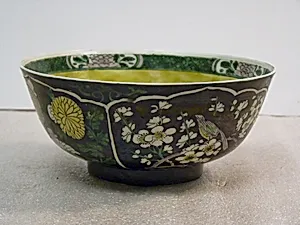
Medium
Porcelain painted in enamels on the biscuit
Dimensions
H. 3 3/8 in. (8.6 cm); W. 7 1/8 in. (18.1 cm); H. with stand: 6 1/4 in. (15.9 cm)
Classification
Ceramics
Culture & Period
China · Qing dynasty (1644–1911), Kangxi period (1662–1722)
Department
Asian Art
Museum
Metropolitan Museum of Art, New York, NY
Credit
Gift of Edwin C. Vogel, 1964
Accession Number
64.279.3
Rights
Public Domain
Tags
Art Historical Context
This exquisite porcelain bowl, crafted in China during the Kangxi period1662–1722) of the dynasty, exemplifies the era's mastery of ceramics. Measuring just 3⅜ inches high and 7⅛ inches wide it features delicate paintings of birds and flowers in vibrant enamels applied directly to the biscuit—a matte, unglazed porcelain body fired at high temperatures for a smooth, absorbent surface. This technique allowed artisans to achieve rich, detailed colors that adhered firmly during low-temperature enamel firing, creating a luxurious, tactile finish prized by collectors. The Kangxi reign marked a golden age for Jingdezhen porcelain production, with imperial kilns innovating under Emperor Kangxi's patronage. Bowls like this, often used for tea or as decorative objects, were exported worldwide, symbolizing China's artistic and technical supremacy. The motifs of birds amid blooming flowers evoke nature's harmony, a common theme in Chinese art conveying wishes for prosperity and longevity. Now housed in the Metropolitan Museum of Art's Asian Art Department (gift of Edwin C. Vogel, 1964), this anonymous masterpiece invites us to appreciate the anonymous skill of Qing potters, whose work bridged courtly elegance and global trade.