
Button
17th century
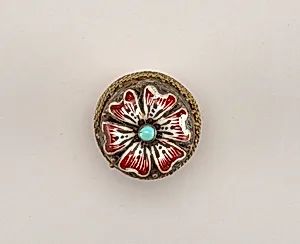
Medium
costume & accessories
Classification
costume & accessories
Department
Smithsonian Collection
Museum
Smithsonian American Art Museum
Credit
Bequest of Julia Hutchins Wolcott
Accession Number
1959-66-203
Rights
Public Domain
About this artwork
Research in Progress
Art Historical Context
Nestled in the Smithsonian American Art Museum's collection of and accessories, this unassuming 17th-centuryButton* offers a tangible link to the everyday elegance of early modern life. Donated through the bequest of Julia Hutchinscott, it exemplifies how modest objects can illuminate broader historical narratives. While research into its precise origins and craftsmanship continues, its classification as a costume accessory underscores its role in personal adornment during an era of emerging colonial fashion in the Americas. In the 1600s, buttons transitioned from simple fasteners—often crafted from bone, wood, metal, or fabric—to symbols of status and style, adorning garments for men and women alike. Whether securing a doublet, cloak, or sleeve, such items reflected the period's blend of European influences and practical ingenuity, especially in burgeoning American settlements. This button, though details are pending further study, invites us to ponder the hands that fashioned and wore it. As part of the Smithsonian's rich holdings, it reminds visitors that art history thrives in the details of daily wear. Ongoing research promises to reveal more about its cultural footprint, making it a perfect prompt for curiosity in our virtual museum tour.
About the Artist
Unknown
The artist designated as "Unknown" in our virtual museum's collection exemplifies a poignant chapter in art history: creators whose identities have faded into obscurity despite the enduring power of their work. With only one known artwork attributed to them in our holdings, this figure represents countless anonymous hands that shaped visual culture across centuries. Museums worldwide, including th...