
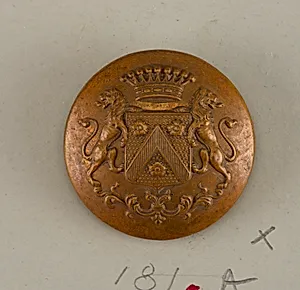
Button
19th century
Classification
costume & accessories
Department
Smithsonian Collection
Museum
Smithsonian American Art Museum
Credit
Gift of Eleanor and Sarah Hewitt
Accession Number
1931-59-181-a
Rights
Public Domain
About this artwork
Research in Progress
Art Historical Context
This unassuming 19th-century, part of the Smithsonian American Art's costume and accessories collection, offers a glimpse into everyday life during a transformative era. Donated by collectors Eleanor and Sarah Hewitt, exemplifies how small personal objects can preserve slices of history. While details like the artist and medium remain under research, its classification highlights buttons as essential wardrobe fasteners that blended utility with subtle artistry. In the 1800s, buttons evolved from simple bone or metal fasteners to decorative elements reflecting Victorian fashion and industrial innovation. Mass production techniques, spurred by the sewing machine's invention in the 1840s, made ornate buttons affordable, often featuring motifs inspired by nature, classical designs, or national pride. Whether crafted from pearl, fabric, or early plastics, they adorned garments signaling social status—from working-class aprons to elite eveningwear. Today, this button invites curiosity about its original owner and journey. As research progresses, it underscores the museum's commitment to uncovering stories in overlooked artifacts, reminding us that fashion's finest details often hold the richest tales.
About the Artist
Unknown
The artist designated as "Unknown" in our virtual museum's collection exemplifies a poignant chapter in art history: creators whose identities have faded into obscurity despite the enduring power of their work. With only one known artwork attributed to them in our holdings, this figure represents countless anonymous hands that shaped visual culture across centuries. Museums worldwide, including th...