
Button
1801–50
Classification
costume & accessories
Department
Smithsonian Collection
Museum
Smithsonian American Art Museum
Credit
Smithsonian American Art Museum
Accession Number
1931-59-245-d
Rights
Public Domain
About this artwork
Research in Progress
Art Historical Context
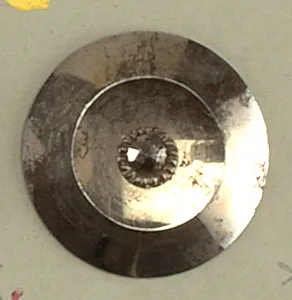
### Button (1801–50) This unassuming yet intriguing artifact, simply titled *Button*, hails from early 19th-century America1801–50), a formative era in the young nation's history. Classified under costume and accessories in the Smithsonian American Art Museum collection, it represents the everyday elegance of personal adornment during a time of rapid social change, including westward expansion, industrialization, and evolving fashions influenced by European styles like Neoclassicism and Romanticism. Buttons like this one were essential fasteners on garments, from frock coats and waistcoats for men to empire-waist dresses for women, blending functionality with subtle decoration. Though the artist and medium remain unknown— with research ongoing—this piece highlights the decorative arts' role in American material culture. Small objects such as buttons often featured intricate motifs, pierced designs, or molded patterns, reflecting craftsmanship from workshops in cities like Philadelphia or New York. Its inclusion in the Smithsonian underscores how such humble items preserve stories of daily life, trade, and ingenuity in the early Republic. Visitors might ponder: What garment did it grace? A soldier's uniform during the War of 1812, or a merchant's finery? As research progresses, this button invites us to appreciate the artistry in the overlooked details of history.
About the Artist
Unknown
The artist designated as "Unknown" in our virtual museum's collection exemplifies a poignant chapter in art history: creators whose identities have faded into obscurity despite the enduring power of their work. With only one known artwork attributed to them in our holdings, this figure represents countless anonymous hands that shaped visual culture across centuries. Museums worldwide, including th...