
Cap
1850/1900
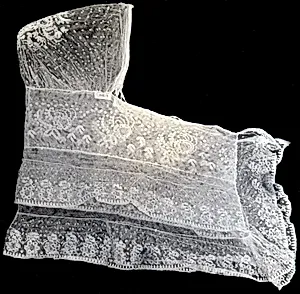
Medium
Cotton, machine-made twist net; embroidered with cotton and linen in chain stitches (tambour work), darning, overcast, and wave filling stitches
Dimensions
48.3 × 34.3 cm (19 × 13 1/2 in.)
Classification
textile
Department
Textiles
Museum
Art Institute of Chicago
Accession Number
71330
Rights
Public Domain
Art Historical Context
This delicate cotton cap, crafted between 1850 and 1900, exemplifies the exquisite textile arts of the Victorian era. Measuring 48.3 × 34.3 cm, it was likely worn as an indoor headdress by women, blending functionality with ornamental beauty during a time when such accessories adorned daily life and formal attire. Housed in the Art Institute of Chicago's Textiles Department, this anonymous work highlights the era's fusion of emerging industrial techniques with traditional handcraft. The cap's foundation is machine-made twist net—a nod to the Industrial Revolution's impact on fabric production—adorned with intricate embroidery in cotton and linen threads. Skilled makers employed tambour work (chain stitches hooked through the net), alongside darning, overcast, and wave filling stitches to create textured, lacy patterns. These techniques demanded precision and patience, often practiced in domestic settings as a marker of feminine accomplishment. As a preserved artifact, this cap offers insight into 19th-century material culture, where everyday objects became canvases for artistry. Its preservation reveals the enduring value of humble textiles in museum collections, inviting us to appreciate the unseen labor behind Victorian elegance.
About the Artist
Unknown
The artist designated as "Unknown" in our virtual museum's collection exemplifies a poignant chapter in art history: creators whose identities have faded into obscurity despite the enduring power of their work. With only one known artwork attributed to them in our holdings, this figure represents countless anonymous hands that shaped visual culture across centuries. Museums worldwide, including th...