
Cauldron
Unknown Artist
second half 14th century
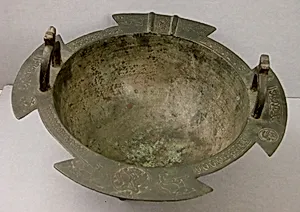
Medium
Brass; cast and incised
Dimensions
H. 8 3/4 in. (22.2 cm) Diam. 13 3/16 in. (33.5 cm)
Classification
Metal
Department
Islamic Art
Museum
Metropolitan Museum of Art, New York, NY
Credit
Gift of Mrs. Ruth Blumka, 1976
Accession Number
1976.348
Rights
Public Domain
Art Historical Context
Nestled in the Islamic Art collection at the Metropolitan Museum of Art, this elegant brass cauldron from the second half of the 14th century exemplifies the masterful metalworking traditions of the medieval Islamic world. Standing 8 3/4 inches tall with a diameter of over 13 inches, it served practical purposes like cooking or communal feasting while doubling as a status symbol for affluent households. Donated by Mrs. Ruth Blumka in 1976, it invites us to imagine bustling kitchens in regions like Egypt or Syria during the Mamluk era, where such vessels blended utility with artistry. Crafted through casting—pouring molten brass into molds for a sturdy form—and intricate incising, the technique allowed artisans to etch fine decorative motifs directly into the metal surface. This labor-intensive process created durable yet beautifully ornamented objects, often adorned with geometric patterns, floral designs, or Arabic inscriptions that reflected Islamic aesthetics emphasizing harmony and repetition. The cauldron's robust yet refined presence highlights how everyday items became canvases for cultural expression, showcasing the technical prowess and aesthetic sensibilities of anonymous craftsmen whose work bridged function and fine art. Though the artist remains unknown, this piece underscores the golden age of Islamic metalwork, where brass objects circulated widely through trade routes, influencing designs across the Mediterranean and beyond. A true treasure for visitors, it whispers stories of a vibrant, innovative civilization.