
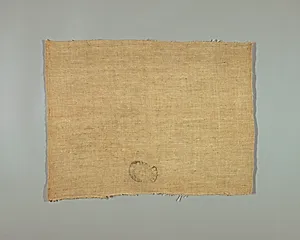
Cloth with inventory stamp
18th century
Medium
printed, dyed & painted textiles
Classification
printed, dyed & painted textiles
Department
Smithsonian Collection
Museum
Smithsonian American Art Museum
Credit
Bequest of Elinor Merrell
Accession Number
1995-50-355
Rights
Public Domain
About this artwork
Research in Progress
Art Historical Context
This intriguing 18th-century cloth, bearing an inventory stamp, offers a into the everyday artistry of-era textiles. Housed in the Smithsonian American Art Museum as part of the bequest of Elinor Mer, it exemplifies printed, dyed, and painted—a medium that blended functionality with creativity. These fabrics were essential for clothing, furnishings, and trade goods, reflecting the craftsmanship of anonymous makers who transformed plain cloth into vibrant, patterned masterpieces. The techniques used here—printing likely via woodblocks, dyeing with natural or early chemical pigments, and hand-painting for fine details—highlight the labor-intensive processes of the time. In the 18th century, such textiles bridged global influences, from Asian resist-dye methods to European calico prints, which fueled transatlantic commerce and domestic production in America. The inventory stamp suggests it was cataloged in a household or estate collection, underscoring its practical value amid growing consumer culture. Though research is ongoing, this piece invites us to ponder the unsung roles of textile artists in shaping colonial aesthetics and economy. Its preservation celebrates the tactile beauty of history's hidden hands.
About the Artist
Unknown
The artist designated as "Unknown" in our virtual museum's collection exemplifies a poignant chapter in art history: creators whose identities have faded into obscurity despite the enduring power of their work. With only one known artwork attributed to them in our holdings, this figure represents countless anonymous hands that shaped visual culture across centuries. Museums worldwide, including th...