
Coin
Unknown Artist
758–68
Medium
Copper
Classification
Coins
Department
Islamic Art
Museum
Metropolitan Museum of Art, New York, NY
Credit
Rogers Fund, 1939
Accession Number
39.40.127.23
Rights
Public Domain
Art Historical Context
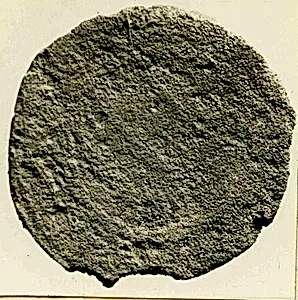
This copper coin, minted between 758 and 768 CE, hails from the early years of the Abbasid Calate, a transformative era in Islamic history. Following the overthrow of the Umayyad dynasty in 750 CE, the Abbasids shifted the empire's center to Baghdad (founded in 762), fostering a golden age of scholarship, trade, and cultural exchange across the Islamic world from Spain to Central Asia. As a product of this dynamic period, the coin served not just as currency but as a proclamation of caliphal authority, circulating through bustling markets and caravan routes. Crafted in copper—a common medium for smaller denominations like the fals—this numismatic artifact exemplifies early Islamic minting techniques. Struck with dies bearing Arabic inscriptions, it likely features the caliph's name, mint location, and Hijri date, adhering to the aniconic principles of Islam that avoided figural imagery in favor of elegant Kufic script. This shift from pre-Islamic coin designs marked a bold cultural assertion of unity and faith. Today, housed in the Metropolitan Museum of Art's Islamic Art department (acquired via the Rogers Fund in 1939), this unassuming coin offers a tangible window into Abbasid prosperity and the artistry of everyday objects, reminding us how even pocket change carried the weight of empire.