
Coin
Unknown Artist
998–1030
Medium
Copper; silver-plated
Classification
Coins
Department
Islamic Art
Museum
Metropolitan Museum of Art, New York, NY
Credit
Rogers Fund, 1939
Accession Number
39.40.127.235
Rights
Public Domain
Art Historical Context
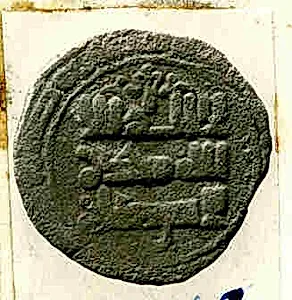
This exquisite silver-plated copper coin minted between 998 and 1030 CE, offers a tangible glimpse into the vibrant world of medieval Islamic commerce and artistry. Housed in the Metropolitan Museum of Art's Islamic department, it exemplifies the ingenuity of early Islamic numismatics, where coins served not only as currency but as portable emblems of power, faith, and cultural exchange across the vast caliphates and sultanates. Crafted from copper and plated with silver, the coin reflects advanced metallurgical techniques that allowed for economical production while mimicking the luster of more precious metals. This plating process enhanced durability and aesthetic appeal, making everyday transactions both functional and visually striking. Islamic coins of this era often featured intricate calligraphy—typically Qur'anic verses, rulers' names, or mint marks—prioritizing script over imagery in line with aniconic traditions, underscoring the centrality of the written word in Islamic aesthetics. As a historical artifact acquired through the Rogers Fund in 1939, this coin illuminates the economic networks linking the Abbasid heartlands to regional dynasties like the Buyids or Ghaznavids. For visitors, it whispers stories of bustling bazaars, royal mints, and the enduring legacy of Islamic innovation in everyday objects.