
Coin
Unknown Artist
before A.H. 131/ 749 CE
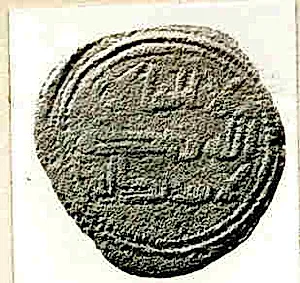
Medium
Copper
Classification
Coins
Department
Islamic Art
Museum
Metropolitan Museum of Art, New York, NY
Credit
Rogers Fund, 1939
Accession Number
39.40.127.257
Rights
Public Domain
Art Historical Context
This humble copper coin, minted before A.H. 131 (749 CE), offers a tangible glimpse into the early Islamic world. Housed in the Metropolitan Museum Art's Islamic Art department, it exemplifies the practical artistry of ancient numismatics, where everyday metalwork doubled as a canvas for authority and identity. Acquired through the Rogers Fund in 1939, such coins—known as *fals*—were the backbone of commerce across the vast Umayyad Caliphate, circulating from the Mediterranean to Central Asia. Dating to the formative decades of Islam, before the Abbasid Revolution reshaped governance, this piece reflects a pivotal era when coinage transitioned from Byzantine and Sasanian influences toward distinctly Islamic designs. Typically featuring Arabic inscriptions, mint marks, and dates rather than figural imagery, these copper pieces enforced caliphal legitimacy and standardized trade in a rapidly expanding empire. Their modest medium—durable yet accessible—underscored Islam's emphasis on utility over ostentation. Though the artist remains unknown, the coin's survival speaks to masterful striking techniques on hammered planchets, ensuring legibility and authenticity. For visitors, it humanizes history: imagine this small token changing hands in bustling souks, bridging cultures and economies over 1,200 years ago.