
Coin
Unknown Artist
A.H. 141–50/ 758–68 CE
Medium
Copper
Classification
Coins
Department
Islamic Art
Museum
Metropolitan Museum of Art, New York, NY
Credit
Rogers Fund, 1939
Accession Number
39.40.127.576
Rights
Public Domain
Art Historical Context
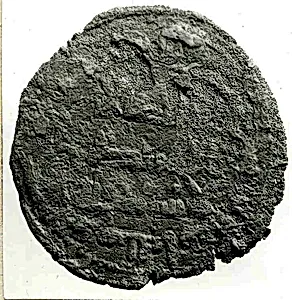
This unassuming copper coin, minted between A.H. 141–50 (758–68 CE), offers a tangible glimpse into the early Abbasid Caliphate a golden age of Islamic expansion and cultural flourishing. Struck during the reign of caliphs like al-Mansur or al-Mahdi, it reflects the dynasty's shift from Umayyad rule, with Baghdad emerging as a new political and intellectual hub. As part of the Metropolitan Museum of Art's Islamic collection—acquired through the Rogers Fund in 1939—this artifact underscores the caliphate's vast economic across the Middle East, North Africa, and beyond. In the realm of Islamic numismatics, copper coins like this one were everyday currency for trade, taxes, and markets, contrasting with rarer gold and silver dinars and dirhams. Abbasid reforms standardized minting techniques, favoring Arabic inscriptions over figural imagery to align with emerging aniconic traditions, though early examples often retained influences from Sasanian and Byzantine prototypes. The use of durable copper highlights practical artistry: coins were hammered between engraved dies, showcasing precise calligraphy that doubled as propaganda for the caliph's authority. Beyond its modest size, this coin illuminates cultural transitions—bridging pre-Islamic monetary systems with a distinctly Islamic identity. For visitors, it's a pocket-sized portal to an era when commerce fueled the translation of Greek texts and the birth of algebra, reminding us how even small objects shaped empires.