
Coin
Unknown Artist
9th–11th century
Medium
Copper
Classification
Coins
Department
Islamic Art
Museum
Metropolitan Museum of Art, New York, NY
Credit
Rogers Fund, 1939
Accession Number
39.40.127.608
Rights
Public Domain
Art Historical Context
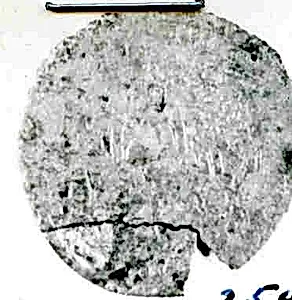
This copper coin, dating to the 9th–11th century, hails from the Islamic world during the Abbasid Caliph's expansive era—a time of remarkable cultural and economic flourishing across the Middle East, North Africa, and beyond Minted as a practical everyday currency known as a *fals*, it exemplifies the sophisticated monetary systems that fueled trade along the Silk Road and Indian Ocean routes, connecting distant regions through commerce and cultural exchange. Crafted from durable copper, the coin likely features finely engraved Arabic inscriptions rather than figurative imagery, adhering to Islamic aniconism and showcasing expert die-stamping techniques. These inscriptions typically included the ruler's name, mint location (such as Baghdad or Basra), and the Islamic date, blending artistry with functionality. The precision of the calligraphy reflects the era's mastery of epigraphy, where script itself became a form of aesthetic expression. As a window into medieval Islamic society, this artifact highlights the caliphate's administrative prowess and economic vitality. Acquired through the Rogers Fund in 1939, it now resides in The Metropolitan Museum of Art's Islamic Art department, inviting visitors to ponder the tangible threads of history carried in the palm of a hand.