
Composed Armor
ca. 1500–1520
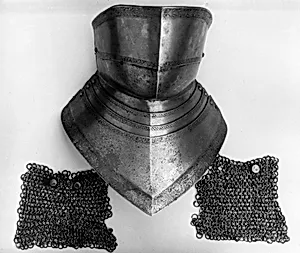
Medium
Steel, leather
Dimensions
Wt. 16 lb. 15 oz. (7682.7 g)
Classification
Armor for Man
Culture
Italian, probably Milan
Department
Arms and Armor
Museum
Metropolitan Museum of Art, New York, NY
Credit
Bashford Dean Memorial Collection, Funds from various donors, 1929
Accession Number
29.158.1b–d, g–m
Rights
Public Domain
Art Historical Context
Step into the riveting world of Renaissance warfare with *Composed Armor* by Guillem Margot, master armorer from Italy, likely Milan, crafted around 1500–1520. This steel and leather suit, weighing a sturdy 16 pounds 15 ounces, represents the pinnacle of Milanese armor-making—a craft that turned battlefield protection into wearable sculpture. Milan was Europe's premier hub for arms production during this era, exporting finely wrought harnesses to knights and nobles across the continent, blending functionality with emerging Renaissance elegance. What makes this "composed" armor special is its modular design, assembled from expertly forged steel plates riveted and strapped with leather for flexibility and comfort. At roughly 17th-century weight standards, it allowed a wearer remarkable mobility for jousts or combat, showcasing advanced techniques like fluting for strength and decoration. As part of the Metropolitan Museum of Art's Bashford Dean Memorial Collection, it highlights the artistry of armorsmiths who engineered life-saving gear as both practical tool and status symbol. Imagine a Milanese knight charging into the Italian Wars—this piece evokes that chivalric drama, a testament to human ingenuity before gunpowder reshaped history.