
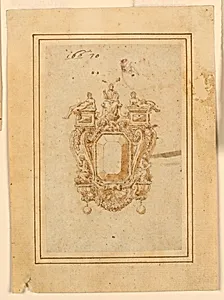
Design for brooch with octagonal diamond and three figures
16th century
Classification
jewelry
Department
Smithsonian Collection
Museum
Smithsonian American Art Museum
Credit
Museum purchase through gift of various donors and from Eleanor G. Hewitt Fund
Accession Number
1938-88-954
Rights
Public Domain
About this artwork
Research in Progress
Art Historical Context
This exquisite 16th-century design for a brooch, featuring an octagonal diamond at its center surrounded by three figures, offers a glimpse into the opulent world of Renaissance jewelry. Crafted during an era when gem-cutting techniques advanced dramatically—allowing diamonds to sparkle with newfound brilliance—this piece reflects the period's fascination with luxury and symbolism. The octagonal shape, a hallmark of emerging faceting innovations, would have elevated the stone's fire and scintillation, making it a coveted centerpiece for elite adornment. The inclusion of three enigmatic figures hints at narrative or allegorical intent, common in Renaissance decorative arts where jewelry often conveyed status, virtue, or mythology. As a preliminary design rather than a finished object, it showcases the meticulous planning behind wearable treasures, blending artistry with craftsmanship. Though the artist remains unknown and research continues, such sketches were vital in workshops across Europe, bridging drawing and jewelry-making traditions. Housed in the Smithsonian American Art Museum through generous donations, this artifact invites us to ponder the wearer's world—perhaps a noble at court, bedecked in gems that whispered tales of power and beauty. A true gem of design history!
About the Artist
Unknown
The artist designated as "Unknown" in our virtual museum's collection exemplifies a poignant chapter in art history: creators whose identities have faded into obscurity despite the enduring power of their work. With only one known artwork attributed to them in our holdings, this figure represents countless anonymous hands that shaped visual culture across centuries. Museums worldwide, including th...