
Diane
Classification
Department
Smithsonian Collection
Museum
Smithsonian American Art Museum
Credit
Purchased for the Museum by the Advisory Council
Accession Number
1921-6-420-4
Rights
Public Domain
About this artwork
Research in Progress
Art Historical Context
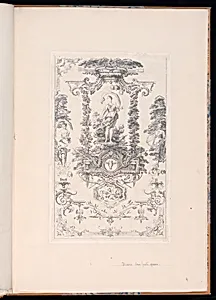
Claude Gillot (1673–1722), a pioneering French artist and engraver, bridges the Baroque and Rococo eras with his lively depictions of mythology and theater. "Diane," created between 1729 and 1737—a period after Gillot's death—likely draws from his designs or preparatory works, reflecting the era's practice of posthumous print editions. As a print in the Smithsonian American Art Museum collection, purchased by the Advisory Council, it exemplifies European artistic innovations reached American audiences through collecting. The title "Diane" evokes the goddess Diana, huntress of the moon and wilderness, a popular Rococo subject symbolizing chastity, nature, and feminine power. Gillot's style, influential on pupils like Antoine Watteau, favored elegant figures, decorative motifs, and whimsical narratives, making prints like this ideal for dissemination among Europe's cultured elite. Though the exact medium awaits further research, such works highlight printmaking's role in democratizing art during the early 18th century. This piece invites visitors to ponder Gillot's enduring legacy: a master whose theatrical flair shaped French decorative arts, now preserved in a quintessentially American institution. Ongoing research promises deeper insights into its techniques and provenance.