
Dish
Unknown Artist
17th century
Medium
Earthenware; glazed
Dimensions
H. 2 in. (5.1 cm) Diam. 8 3/8 in. (21.3 cm)
Classification
Ceramics
Department
Islamic Art
Museum
Metropolitan Museum of Art, New York, NY
Credit
Harris Brisbane Dick Fund 1966
Accession Number
66.107.2
Rights
Public Domain
Art Historical Context
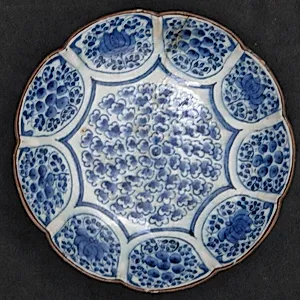
This elegant 17th-century dish, crafted from glazed earthenware, exemplifies the refined ceramic traditions of the Islamic world. Measuring just 2 inches high and 8⅜ inches in diameter, its shallow, wide form suggests it was designed for serving sweets, fruits, or spiced delicacies at communal meals—a staple of daily life in Ottoman, Safavid, or Mughal households. The glossy glaze not only sealed the porous earthenware body for practical use but also provided a smooth canvas for vibrant colors and intricate patterns, though the subtle patina of time now highlights its enduring craftsmanship. In the Islamic art tradition, ceramics like this dish bridged utility and artistry, produced in bustling workshops from Istanbul to Isfahan. Earthenware, fired at lower temperatures than stoneware or porcelain, was abundant and accessible, allowing widespread production of tableware that reflected cultural motifs such as floral arabesques or geometric designs symbolizing paradise gardens. This piece, acquired through the Harris Brisbane Dick Fund in 1966, invites us to appreciate how everyday objects carried profound aesthetic and social value. Though the artist remains unknown, the dish's presence in the Metropolitan Museum of Art's Islamic Art department underscores the global influence of these ceramics, blending functionality with timeless beauty for both palace banquets and modest homes.