
Dress
Unknown Artist
4th century
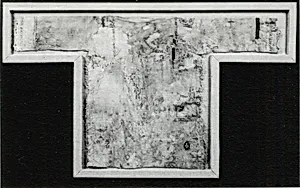
Medium
Linen, wool
Dimensions
Overall: 21 5/8 × 39 3/8 in. (55 × 100 cm)
Classification
Textiles-Costumes-Secular
Culture
Coptic
Department
Medieval Art
Museum
Metropolitan Museum of Art, New York, NY
Credit
Rogers Fund, 1933
Accession Number
33.10.37
Rights
Public Domain
Art Historical Context
Step into the world of 4th-century Egypt with this remarkable Coptic dress, a survivor from the early Christian. Crafted from linen and wool—staple fibers in ancient textile—this garment measures 21⅝ × 39⅜ inches (55 × cm), likely a tunic or wrap designed for everyday secular wear. Acquired through the Rogers Fund in 1933, it now graces the Medieval Art department at the Metropolitan Museum of Art offering a tangible link to Coptic life. Coptic textiles like this one flourished in Roman- and Byzantine-influenced Egypt, where dry tomb conditions preserved them exceptionally well. Dating to the 4th century, the dress reflects the skilled weaving techniques of Coptic artisans, who combined undyed natural fibers with dyed wool for durability and subtle color. These garments were essential for daily life, blending functionality with emerging Christian symbolism, though this secular piece highlights practical fashion over ornate ritual wear. Its cultural importance lies in illuminating Coptic identity—a blend of Egyptian, Greco-Roman, and Christian traditions—before the Arab conquests. As one of few intact costumes from antiquity, it invites us to imagine the people who wore it, their movements through bustling Nile Valley communities. A true treasure for textile enthusiasts!