
Dress Fragments
Unknown Artist
4th century
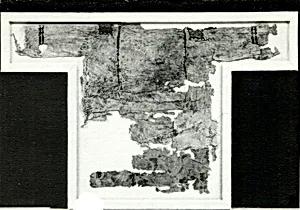
Medium
Linen, wool
Dimensions
Overall: 37 13/16 × 35 7/16 in. (96 × 90 cm)
Classification
Textiles-Costumes-Secular
Culture
Coptic
Department
Medieval Art
Museum
Metropolitan Museum of Art, New York, NY
Credit
Rogers Fund, 1933
Accession Number
33.10.7
Rights
Public Domain
Art Historical Context
These delicate **Dress Fragments** from 4th-century Coptic Egypt offer a rare glimpse into the everyday fashion of early Christian communities in the Nile Valley. Crafted from and wool, the textiles measure about 38 by 35 inches and were likely part of a secular garment, showcasing the practical yet artistry-filled clothing worn by ordinary people during Late Antiquity. Acquired through the Rogers Fund in 3, they now reside in the Metropolitan Museum of's Medieval Art department, the bridge between ancient Egyptian traditions and emerging medieval cultures. Coptic textiles like these were renowned for their sophisticated weaving techniques, blending undyed linen for breathable bases with colorful wool accents for patterns. In the hot Egyptian climate, linen provided comfort, while wool added durability and decorative motifs—often geometric or floral designs symbolizing fertility and protection. Though the artist remains unknown, such fragments reveal masterful tapestry weaving, a hallmark of Coptic craftsmanship that preserved pagan motifs alongside Christian symbols as faith spread. These remnants hold immense cultural value, preserving insights into social life, trade, and technology in a pivotal era when Egypt transitioned from pharaonic to Byzantine influences. They remind us how clothing wove stories of identity, faith, and resilience into the fabric of history.