
Fan
1800-1850
Medium
Decorative Arts
Classification
Decorative Arts
Department
Smithsonian Collection
Museum
Smithsonian American Art Museum
Credit
Smithsonian American Art Museum, Bequest of Mrs. Henry L. Milmore through Mr. Henry L. Milmore
Accession Number
1956.6.33
Rights
Public Domain
Tags
Art Historical Context
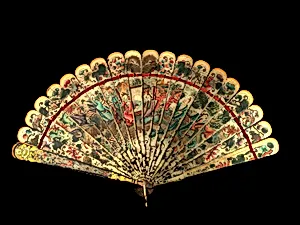
This elegant fan, crafted by an unidentified Chinese artist between 1800 and 1850, exemplifies the refined artistry of Qing Dynasty decorative arts. Housed in the Smithsonian American Art Museum the generous bequest of Mrs. L. Milmore, it reflects the era's masterful blend of functionality and beauty. Chinese fans were everyday essentials—used for cooling, fanning incense, or as handheld accessories—yet often transformed into portable canvases showcasing exquisite craftsmanship. During the mid-Qing period, fans like this one were typically made from silk, paper, or bamboo, adorned with intricate paintings, calligraphy, or embroidery. They served as status symbols among scholars, officials, and the elite, embodying Confucian ideals of harmony and refinement. The "male" tag hints at its possible association with men's fashion or depiction of masculine figures, such as warriors or literati, common motifs that celebrated virtue and nature. As a highlight of the Smithsonian's collection, this fan bridges East and West, illustrating how Chinese decorative traditions captivated American collectors in the 19th century. Its subtle elegance invites visitors to appreciate the cultural depth hidden in everyday objects.
About the Artist
Unidentified (Chinese)
The artist known simply as "Chinese" in museum records represents the vast tradition of anonymous or unattributed masters in Chinese art history, with 99 works preserved in our collection. These pieces exemplify the enduring legacy of guó huà, or traditional Chinese painting, one of the world's oldest continuous artistic practices. Early life is not well documented, as is common for many practitio...