
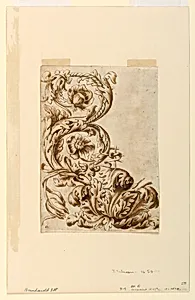
Floral Ornament
1650–75
Medium
architecture
Classification
architecture
Department
Smithsonian Collection
Museum
Smithsonian American Art Museum
Credit
Museum purchase through gift of various donors and from Eleanor G. Hewitt Fund
Accession Number
1938-88-2479
Rights
Public Domain
About this artwork
Research in Progress
Art Historical Context
**Floral Ornament** *Unknown artist, 1650–75* *Architecture, Smithsonian American Art Museum* Step into the refined world of 17th-century American architecture with this captivating *Floral Ornament*, created between 1650 and 1675 by an unknown artisan. Acquired through museum purchase and the Eleanor G. Hewitt Fund, this piece from the Smithsonian Collection showcases the delicate, nature-inspired carvings typical of early colonial decorative arts. As research into its exact origins continues, it stands as a testament to the skilled, anonymous craftsmen who adorned homes, public buildings, and furnishings during America's formative years. Dating to the mid-1600s, the ornament reflects the Baroque-era influences brought by European settlers to the New World. Floral motifs like these were not merely aesthetic; they symbolized abundance, renewal, and the triumph of cultivated nature over wilderness, often carved in wood or stone for mantelpieces, cornices, or door surrounds. This classification as architecture highlights its functional role in enhancing structural beauty and everyday spaces. Though details are still emerging, the *Floral Ornament* invites us to appreciate the unsung artistry of colonial America—where intricate techniques met practical design, bridging Old World traditions with a budding national identity. A true hidden gem for architecture enthusiasts! *(178 words)*
About the Artist
Unknown
The artist designated as "Unknown" in our virtual museum's collection exemplifies a poignant chapter in art history: creators whose identities have faded into obscurity despite the enduring power of their work. With only one known artwork attributed to them in our holdings, this figure represents countless anonymous hands that shaped visual culture across centuries. Museums worldwide, including th...