
Fragment
17th century
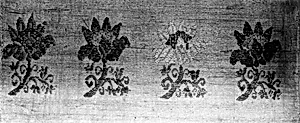
Medium
brocaded linen
Classification
textile
Department
Textiles
Museum
Art Institute of Chicago
Accession Number
62515
Rights
Public Domain
Art Historical Context
This delicate *Fragment* from the 17th century offers a glimpse into the exquisite world of historical textiles, crafted in brocaded linen. As a survivor from an era of opulent craftsmanship, it showcases the intricate weaving techniques popular across Europe during the Baroque period, when fine linens adorned elite wardrobes, table linens, and ecclesiastical vestments. Linen, prized for its durability and cool texture, was elevated here through brocading—a sophisticated method where extra weft threads are woven to form raised, pictorial motifs against the ground fabric, creating a luxurious, almost sculptural effect. The anonymity of its maker underscores the collaborative nature of textile production in the 17th century, often involving skilled weavers in workshops from Flanders to Italy. Though only a fragment remains, it preserves evidence of the labor-intensive looms and dyes that made such pieces status symbols, traded along vibrant Silk Road routes and colonial networks. Its presence in the Art Institute of Chicago's Textiles Department highlights the museum's commitment to these overlooked arts, reminding us how textiles wove together culture, commerce, and daily life in the early modern world.
About the Artist
Unknown
The artist designated as "Unknown" in our virtual museum's collection exemplifies a poignant chapter in art history: creators whose identities have faded into obscurity despite the enduring power of their work. With only one known artwork attributed to them in our holdings, this figure represents countless anonymous hands that shaped visual culture across centuries. Museums worldwide, including th...