
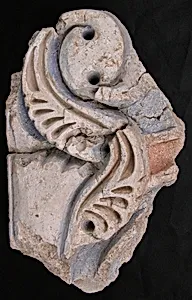
Fragment of a Frieze
Unknown Artist
10th century
Medium
Plaster; carved and painted
Dimensions
H. 5 3/8 in. (13.6 cm) W. 8 7/8 in. (22.5 cm) D. 1 in. (2.5 cm)
Classification
Plaster
Department
Islamic Art
Museum
Metropolitan Museum of Art, New York, NY
Credit
Rogers Fund, 1940
Accession Number
40.170.678
Rights
Public Domain
Art Historical Context
This delicate *Fragment of a Frieze from the 10th offers a glimpse into the refined world of Islamic architectural decoration. Likely originating from a mosque, palace, or building in the Islamic worldpossibly regions like Iran, Iraq, or Central Asia—this small plaster piece (just 5 3/8 inches high) served as part of a larger horizontal band adorning walls or arches. During the 10th century, a golden age of Abbasid and regional dynasties, such friezes transformed interiors into vibrant spaces of spiritual and aesthetic harmony, emphasizing geometry and rhythm over human figures to evoke divine order. Crafted from plaster—a lightweight, versatile medium ideal for intricate work— the fragment was skillfully carved in low relief and then painted, a technique known as stucco. This allowed artisans to create fine motifs like arabesques, vines, or interlocking patterns, which were common in Islamic art for their symbolic depth and hypnotic repetition. The preserved paint hints at the original vivid colors that once animated these spaces, bringing architecture to life. Today, housed in the Metropolitan Museum of Art's Islamic Art Department (acquired through the Rogers Fund in 1940), this fragment underscores the technical mastery and cultural sophistication of medieval Islamic craftsmen, reminding us how everyday materials could inspire awe.