
Fragment
ca. 1820
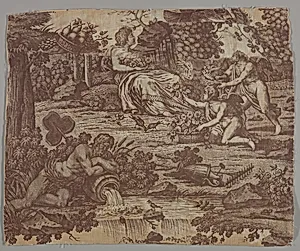
Medium
printed, dyed & painted textiles
Classification
printed, dyed & painted textiles
Department
Smithsonian Collection
Museum
Smithsonian American Art Museum
Credit
Museum purchase through gift of Mrs. George B. McClellan
Accession Number
1906-15-13
Rights
Public Domain
About this artwork
Research in Progress
Art Historical Context
This enigmatic *Fragment*, dating to around 1820, is a delicate example of printed, dyed, and textiles from early 19th-century America Preserved in the Smithsonian American Art's collection through a generous museum purchase, it showcases the intricate craftsmanship of an unknown artist. As a surviving piece of fabric—likely part of a larger textile like a quilt, curtain, or garment—it invites us to ponder the everyday artistry that adorned American homes during a time of rapid industrialization and expanding trade. The medium itself tells a story of technical innovation and skill. Printing involved transferring bold patterns onto cloth using carved blocks or emerging roller techniques, while dyeing with natural or early synthetic colors added depth, and hand-painting provided personalized flourishes. These methods were central to the textile boom of the era, blending European influences with growing American production, making decorative fabrics accessible to middle-class households and reflecting cultural aspirations for beauty in daily life. Though research continues to uncover its full story, this fragment highlights the unsung role of textiles in American art. It reminds visitors that even small remnants carry big histories—of labor, commerce, and creativity in a young nation. (198 words)
About the Artist
Unknown
The artist designated as "Unknown" in our virtual museum's collection exemplifies a poignant chapter in art history: creators whose identities have faded into obscurity despite the enduring power of their work. With only one known artwork attributed to them in our holdings, this figure represents countless anonymous hands that shaped visual culture across centuries. Museums worldwide, including th...