
Fragment
19th century
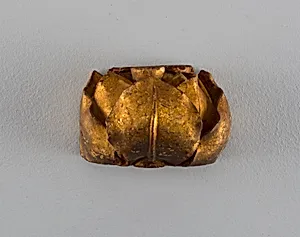
Medium
Decorative Arts
Classification
Decorative Arts
Department
Smithsonian Collection
Museum
Smithsonian American Art Museum
Credit
Smithsonian American Art Museum
Accession Number
1906-9-33
Rights
Public Domain
About this artwork
Research in Progress
Art Historical Context
### Fragment (19th Century) This intriguing *Fragment* from the th century belongs to the Smithsonian American Art Museum'sative Arts collection. As its title suggests, it a surviving piece of a larger object, highlighting the ephemeral nature of everyday artistry from America's industrializing era. Crafted by an unknown artist, its presence in the museum underscores the value placed on humble yet skilled handiwork that once adorned homes, public spaces, or functional items. In the 19th century, American decorative arts flourished amid rapid social and technological change, blending European influences with emerging national styles like Victorian opulence or Arts and Crafts simplicity. Mediums such as ceramics, textiles, glass, or metalwork often featured intricate patterns, motifs inspired by nature, or patriotic symbols, reflecting cultural aspirations and craftsmanship. This fragment likely embodies such traditions, offering a tangible link to the makers and users of the time. Currently under research, *Fragment* invites visitors to ponder the stories embedded in its material—perhaps a shard from a factory-fired vessel or a torn edge of ornate fabric. Its classification celebrates the artistry in the "useful," reminding us how museums preserve these quiet witnesses to history for future discovery. (198 words)
About the Artist
Unknown
The artist designated as "Unknown" in our virtual museum's collection exemplifies a poignant chapter in art history: creators whose identities have faded into obscurity despite the enduring power of their work. With only one known artwork attributed to them in our holdings, this figure represents countless anonymous hands that shaped visual culture across centuries. Museums worldwide, including th...