
Fragment
ca. 1750
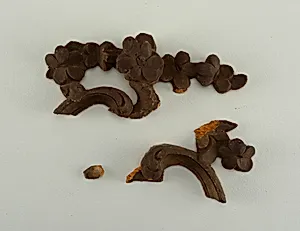
Classification
Decorative Arts
Department
Smithsonian Collection
Museum
Smithsonian American Art Museum
Credit
Gift of George A. Hearn
Accession Number
1906-9-43
Rights
Public Domain
About this artwork
Research in Progress
Art Historical Context
### Fragment, ca. 1750 This enigmatic *Fragment* from the Smithsonian Art Museum's collection offers a tantalizing glimpse into 18th-century American decorative. Dated around 1750, it hails from the vibrant colonial era when craftsmanship flourished amid growing trade and cultural exchange between Europe and the New World. As a piece classified under Decorative Arts, it likely formed part of a larger functional or ornamental object—perhaps ceramics, textiles, or woodwork—reflecting the everyday elegance of colonial households. Though the artist and medium remain unidentified, the fragment's survival speaks to the durability and artistry of period techniques, where skilled artisans blended local ingenuity with imported styles like Rococo flourishes or Queen Anne simplicity. Its presence in the Smithsonian collection underscores the value of such remnants in piecing together America's material history. Generously gifted by George A. Hearn, a noted collector, this artifact is part of ongoing research, inviting future discoveries that could reveal more about its origins and makers. For visitors, it reminds us how even small shards carry stories of creativity and resilience from over 250 years ago. (178 words)
About the Artist
Unknown
The artist designated as "Unknown" in our virtual museum's collection exemplifies a poignant chapter in art history: creators whose identities have faded into obscurity despite the enduring power of their work. With only one known artwork attributed to them in our holdings, this figure represents countless anonymous hands that shaped visual culture across centuries. Museums worldwide, including th...