
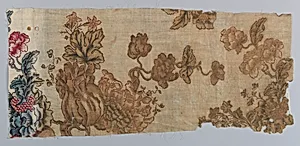
Fragment
18th century
Medium
printed, dyed & painted textiles
Classification
printed, dyed & painted textiles
Department
Smithsonian Collection
Museum
Smithsonian American Art Museum
Credit
Smithsonian American Art Museum
Accession Number
1950-89-2
Rights
Public Domain
About this artwork
Research in Progress
Art Historical Context
This delicate *Fragment* from the 18th century offers a tantalizing glimpse into the world of early American textiles, housed in the Smithsonian American Art's collection. Crafted by an unknown artist, it printed, dyed, and painted textiles—a that combined artistry and innovation during the colonial era. These techniques involved applying color through woodblock printing, resist dyeing (like batik methods), and hand-painting, often on cotton or linen fabrics imported from abroad or produced locally. In the 1700s, such textiles were more than mere decoration; they reflected the fusion of European traditions, Asian imports via trade routes, and emerging American ingenuity. Women and skilled artisans created these pieces for clothing, bedcovers, and household goods, showcasing resourcefulness amid limited resources. The fragment's survival highlights the fragility of everyday art, preserving patterns and hues that might otherwise fade into history. As research continues on this piece, it invites us to ponder the anonymous hands behind it—perhaps a family workshop or itinerant craftsperson. Its presence in the Smithsonian underscores the cultural importance of textiles in shaping American identity, blending utility with quiet beauty. (198 words)
About the Artist
Unknown
The artist designated as "Unknown" in our virtual museum's collection exemplifies a poignant chapter in art history: creators whose identities have faded into obscurity despite the enduring power of their work. With only one known artwork attributed to them in our holdings, this figure represents countless anonymous hands that shaped visual culture across centuries. Museums worldwide, including th...