
Fragment
18th century
Classification
printed, dyed & painted textiles
Department
Smithsonian Collection
Museum
Smithsonian American Art Museum
Credit
Smithsonian American Art Museum
Accession Number
1959-128-1
Rights
Public Domain
About this artwork
Research in Progress
Art Historical Context
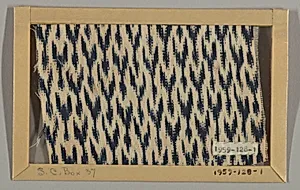
### Fragment: A Textile Mystery from the 18th Nestled in the Smithsonian American Art Museum collection, this enigmatic *Fragment* offers a glimpse into 18-century textile artistry. Dating to the 1700s and attributed to an unknown creator, it survives as a modest remnant of what was once likely a larger fabric used for clothing, household goods, or decorative purposes. Housed in the Smithsonian Collection, its presence underscores the's commitment to preserving everyday artifacts that reveal the textures of American life during the colonial era. Classified as printed, dyed, and painted textiles, this piece showcases sophisticated techniques popular in the period. Printing involved transferring intricate patterns via wooden blocks or early mechanical methods, while dyeing with natural pigments like indigo or madder created vibrant hues resistant to fading. Hand-painting added fine details, blending utility with artistry. These methods, often rooted in European influences adapted by American craftspeople, highlight the labor-intensive craft of textile production before industrialization. Though research is ongoing, this fragment invites us to ponder its story—perhaps from a sailor's garment, a quilt, or a curtain in a early American home. Its cultural significance lies in bridging the gap between anonymous makers and the vibrant material world they shaped, reminding visitors of the unsung heroes behind history's fabric. (198 words)
About the Artist
Unknown
The artist designated as "Unknown" in our virtual museum's collection exemplifies a poignant chapter in art history: creators whose identities have faded into obscurity despite the enduring power of their work. With only one known artwork attributed to them in our holdings, this figure represents countless anonymous hands that shaped visual culture across centuries. Museums worldwide, including th...