
Fragment
1100–1400
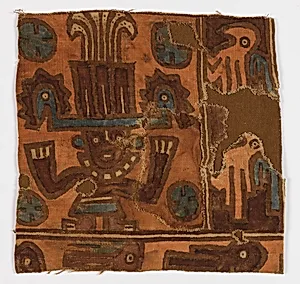
Medium
printed, dyed & painted textiles
Classification
printed, dyed & painted textiles
Department
Smithsonian Collection
Museum
Smithsonian American Art Museum
Credit
Smithsonian American Art Museum
Accession Number
1963-34-1
Rights
Public Domain
About this artwork
Research in Progress
Art Historical Context
This enigmatic *Fragment* from the Smithsonian American Art Museum dates to the medieval period (1100–1400), a time when textiles were prized for their utility and artistry across cultures. As a small surviving piece, it offers a tantalizing glimpse into the world of fabric production, likely from garments, furnishings, or ceremonial objects. Its presence in the museum's collection highlights how such artifacts bridge continents and centuries, preserving techniques that shaped daily life and trade. Crafted through printing, dyeing, and painting on textiles, the fragment showcases sophisticated pre-industrial methods. Artisans might have used wooden blocks for printing motifs, natural dyes from plants or minerals for vibrant colors, and hand-painting for intricate details—processes that demanded skill and ingenuity. These techniques, common in regions from Europe to Asia and Africa, reflect the era's global exchange of ideas via the Silk Road and maritime routes. Currently under research, this piece invites curiosity: What stories does it hold? Its rarity underscores the fragility of textiles, making every fragment a treasure that illuminates medieval craftsmanship and cultural interconnectedness. Visitors, ponder its patterns—they whisper of hands long gone.
About the Artist
Unknown
The artist designated as "Unknown" in our virtual museum's collection exemplifies a poignant chapter in art history: creators whose identities have faded into obscurity despite the enduring power of their work. With only one known artwork attributed to them in our holdings, this figure represents countless anonymous hands that shaped visual culture across centuries. Museums worldwide, including th...