
Fragments
18th century
Classification
printed, dyed & painted textiles
Department
Smithsonian Collection
Museum
Smithsonian American Art Museum
Credit
Museum purchase from Au Panier Fleuri Fund
Accession Number
1955-123-2-a/h
Rights
Public Domain
About this artwork
Research in Progress
Art Historical Context
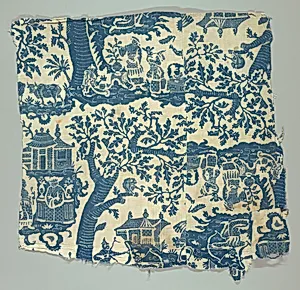
**Fragments** *Unknown artist, 18th century* Printed, dyed & painted textiles Smithsonian American Art Museum led in the Smithsonian American Art Museum's, *Fragments* offers a tantalizing glimpse into 18th-century textile artistry. Acquired through the Au Panier Fleuri Fund nod to the floral motifs often celebrated in period fabrics—this piece consists of remnants classified as printed, dyed, and painted textiles. Dating to an era when textiles were both everyday luxuries and canvases for cultural expression, these fragments likely originated from larger works used in clothing, furnishings, or trade goods, reflecting the craftsmanship of a time when hand-dyed colors and block-printed patterns transformed plain cloth into vibrant storytelling mediums. The techniques employed here—printing with carved blocks or stencils, layering dyes for depth, and adding painted details—highlight the labor-intensive processes that defined 18th-century textile production. These methods allowed artisans to mimic expensive imported silks or create affordable yet beautiful calicoes, bridging art and utility. Though the artist's identity remains unknown and research is ongoing, *Fragments* underscores the fragility of historical artifacts; these surviving pieces preserve echoes of domestic life, fashion, and commerce in early America. As part of the Smithsonian Collection, *Fragments* invites us to ponder the unnamed hands behind such delicate beauty, reminding visitors of the unsung role textiles played in shaping cultural identity. (198 words)
About the Artist
Unknown
The artist designated as "Unknown" in our virtual museum's collection exemplifies a poignant chapter in art history: creators whose identities have faded into obscurity despite the enduring power of their work. With only one known artwork attributed to them in our holdings, this figure represents countless anonymous hands that shaped visual culture across centuries. Museums worldwide, including th...