
Fragments
mid–late 18th century
Classification
printed, dyed & painted textiles
Department
Smithsonian Collection
Museum
Smithsonian American Art Museum
Credit
Gift of Josephine Howell
Accession Number
1973-51-29-a,b
Rights
Public Domain
About this artwork
Research in Progress
Art Historical Context
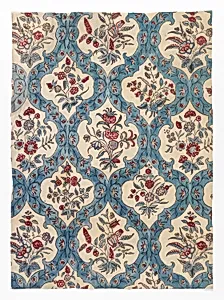
Nestled in the Smithsonian American Art Museum's collection *Fragments* invites visitors to ponder the delicate remnants of mid- to late-18th-century life. These enigmatic pieces, a generous gift from Josephine Howell, to the printed, dyed, and painted textiles classification—a testament to the era's vibrant fabric arts. Dating from the American colonial period, when households buzzed with handmade textiles for clothing, bedding, and home decor, *Fragments* captures a time of craftsmanship amid growing independence. Though the artist remains unknown and research is ongoing, the work highlights sophisticated techniques: printing for bold patterns, dyeing for rich colors, and painting for personal flourishes. These methods, often labor-intensive and influenced by European trade goods or local ingenuity, reveal the ingenuity of everyday makers—likely women—who transformed plain cloth into storytelling canvases. Such textiles were cultural cornerstones, blending utility with artistry. As surviving fragments, they hold immense value for historians, offering clues to forgotten designs, materials, and daily rhythms. Come closer to appreciate how these whispers from the past illuminate America's textile heritage, bridging the handmade world of the 1700s to our modern gaze.
About the Artist
Unknown
The artist designated as "Unknown" in our virtual museum's collection exemplifies a poignant chapter in art history: creators whose identities have faded into obscurity despite the enduring power of their work. With only one known artwork attributed to them in our holdings, this figure represents countless anonymous hands that shaped visual culture across centuries. Museums worldwide, including th...