
Hatchet
Unknown Artist
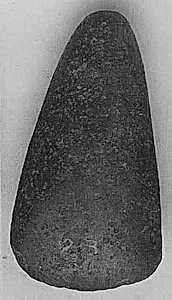
Medium
Jadeite
Dimensions
H. 3 5/16 in. (8.4 cm); W. 1 3/4 in. (4.5 cm); D. 15/16 in. (2.4 cm)
Classification
Jade
Culture
France
Department
Asian Art
Museum
Metropolitan Museum of Art, New York, NY
Credit
Gift of Heber R. Bishop, 1902
Accession Number
02.18.213
Rights
Public Domain
Art Historical Context
This exquisite jadeite hatchet, measuring just over 3 inches in height, exemplifies the masterful craftsmanship of ancient stone carving. Though the artist and exact date remain unknown, its compact form—3 5/16 in. high, 1 3/4 in. wide, and 15/16 in. deep—suggests it may have served both practical and ceremonial purposes, evoking prehistoric tools while showcasing refined sculptural skill. Housed in the Metropolitan Museum of Art's Asian Department and classified as jade, it bridges material traditions across cultures. Jadeite, a rare and exceptionally tough variety of jade, was highly prized in antiquity for its vibrant green translucency and durability, making it ideal for edged tools like hatchets. Carving such a hard stone required advanced techniques, likely involving abrasion with sand or other stones over prolonged periods, resulting in the hatchet's smooth, polished surfaces that highlight the material's natural luster. A highlight of the Heber R. Bishop collection, gifted to the Met in 1902, this piece reflects early 20th-century enthusiasm for global jade artifacts. Attributed to French culture, it invites reflection on Europe's own Neolithic jade-working heritage, where similar objects symbolized status and ritual power, offering visitors a tangible link to humanity's ancient ingenuity.