
Immortal Poet
17th century
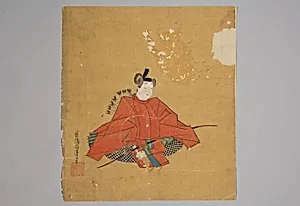
Medium
Unmounted shikisi leaf; ink and color on silk
Dimensions
7 1/4 × 6 1/2 in. (18.4 × 16.5 cm)
Classification
Paintings
Culture & Period
Japan · Edo period (1615–1868)
Department
Asian Art
Museum
Metropolitan Museum of Art, New York, NY
Credit
Gift of Estate of Samuel Isham, 1914
Accession Number
14.140.17
Rights
Public Domain
Tags
Art Historical Context
Nestled in the Metropolitan Museum of Art's Asian Art collection, *Immortal Poet* by Kanoōun captures the poetic spirit of 17th-century Japan during the Edo period (161–1868). This painting, measuring just 7¼ × 6½ inches, is rendered in ink and color on silk an unmounted *shikishi* leaf square format traditionally reserved for waka poetry cards. Its small scale invites close contemplation, evoking the refined world of literati culture where images and verse intertwined. Kano Shōun, working in this era of peace and artistic patronage under the Tokugawa shogunate, exemplifies the elegance of Japanese painting traditions. The *shikishi* medium highlights the artwork's cultural role: these slips often paired evocative portraits or scenes with poetry, serving as gifts or album leaves among elites. Here, the subject—a revered male poet, immortalized in tags as a figure of enduring inspiration—embodies the Edo fascination with timeless literary heroes, blending realism with symbolic reverence. A gift from the Estate of Samuel Isham in 1914, this delicate treasure offers a window into Japan's poetic heritage, where art immortalized the soul of the poet amid blooming cherry blossoms of imagination.
About the Artist
Kano Shōun (Japanese) · 1637 –1702
1637–1702