
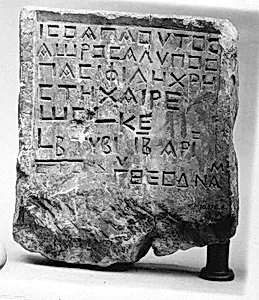
Inscribed Stele
Unknown Artist
3rd–12th century
Medium
Limestone; incised
Dimensions
H. 13 3/4 in. (34.9 cm) W. 11 7/16 in. (29.1 cm) D. 4 5/16 in. (11 cm)
Classification
Sculpture
Department
Islamic Art
Museum
Metropolitan Museum of Art, New York, NY
Credit
Rogers Fund, 1910
Accession Number
10.176.6
Rights
Public Domain
Art Historical Context
This inscribed stele, carved from limestone and dating to the expansive period between the 3rd and 12th centuries, stands as a poignant artifact from the Islamic world. Measuring about 14 inches tall, 11 inches wide, and4 inches deep, its modest size belies its role as a durable memorial or commemorative marker. The incised inscriptions—precisely carved into the stone's surface—likely record names, dates, prayers, or Quranic verses a common practice in early Islamic funerary and dedicatory traditions. In the Department of Islamic Art at The Metropolitan Museum of Art, acquired through the Rogers Fund in 1910, this stele exemplifies the artistry of epigraphy, where calligraphy served as both a spiritual and aesthetic medium. Limestone's accessibility and weather resistance made it ideal for such monuments across regions like the Near East and North Africa, blending functionality with the elegance of Kufic or early angular scripts. These works highlight Islam's emphasis on the written word as a sacred form, transforming stone into a vessel for remembrance and devotion. Though the artist remains unknown, the stele's craftsmanship reflects the skilled stonework of anonymous artisans whose legacy endures in museum collections, offering visitors a tangible link to medieval Islamic daily life and beliefs.