
現代 徐鉉 宋摹秦嶧山碑 拓本|Inscriptions from the Stele of Mount Yi
date of stele: Song dynasty (960–1279)
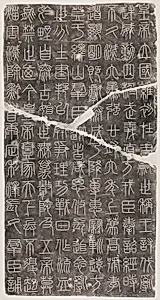
Medium
Modern rubbings; ink on paper
Dimensions
Image (a): 60 × 31 1/4 in. (152.4 × 79.4 cm) Image (b): 60 3/4 × 28 5/8 in. (154.3 × 72.7 cm)
Classification
Rubbing
Culture
China
Department
Asian Art
Museum
Metropolitan Museum of Art, New York, NY
Credit
Seymour and Rogers Funds, 1977
Accession Number
1977.375.7a, b
Rights
Public Domain
Art Historical Context
Behold the *Inscriptions from the Stele of Mount Yi*, a set of modern rubbings captured in ink on paper, evoking the ancient whispers of China's past. Dating to the Song dynasty (960–127), the original stele hails from the Qin era, its weathered surface bearing archaic scripts from Mount Yi. Scholar-official Xu Xuan, a master calligrapher of the Northern Song, meticulously transcribed these inscriptions, preserving their essence for posterity. Acquired by the Metropolitan Museum of Art in 1977 through the Seymour and Rogers Funds, these large-scale rubbings—measuring over five feet tall—transport visitors back through millennia. Rubbings, or *tophons*, represent a ingenious Chinese technique: dampened paper pressed against carved stone, inked to transfer every crack and curve. This method revolutionized the study of paleography and calligraphy, allowing ancient texts to endure beyond erosion. Xu Xuan's Song-era copy exemplifies the era's reverence for antiquity, blending scholarly precision with artistic elegance amid the Song's cultural renaissance. In the Asian Art galleries, these works highlight China's enduring calligraphic tradition, where script is not mere writing but a bridge to history and philosophy. Marvel at the rhythmic strokes, a testament to how ink on paper immortalizes imperial edicts and mountain lore.