
Lamp
Unknown Artist
9th–11th century
Medium
Earthenware; unglazed
Dimensions
H. 1 in. (2.5 cm) Diam. 3 1/8 in. (7.9 cm)
Classification
Ceramics
Department
Islamic Art
Museum
Metropolitan Museum of Art, New York, NY
Credit
Rogers Fund, 1933
Accession Number
33.175.107
Rights
Public Domain
Art Historical Context
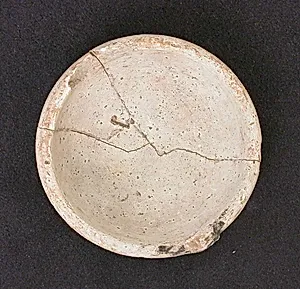
This modest earthenware lamp, crafted by an unknown artist between the 9th and 11th centuries, offers a glimpse into everyday life during the Islamic Golden Age.ailing from the Islamic world—likely regions under Abbasid influence—this small vessel (just 1 inch high and 3⅛ inches in diameter) exemplifies unglazed ceramics, a practical medium made from low-fired clay. Without the glossy finishes of later glazed wares, it highlights the simplicity and functionality prized in early Islamic household objects. Lamps like this were essential for illumination, holding olive oil and a wick to light homes, mosques, and markets after sunset. Produced via wheel-throwing or molding techniques, its plain surface and sturdy form reflect utilitarian artistry, where form followed function amid burgeoning ceramic traditions. Though unadorned, such pieces underscore the cultural importance of light in Islamic society, symbolizing guidance and prayer. Acquired through the Rogers Fund in 1933 and now in the Metropolitan Museum of Art's Islamic Art Department, this lamp invites visitors to ponder the quiet ingenuity of anonymous makers whose work sustained daily rituals for centuries.