
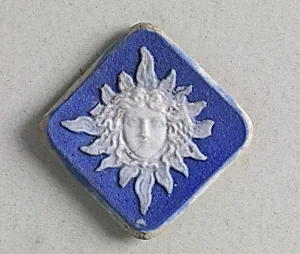
Medallion
late 18th century
Medium
ceramics
Classification
ceramics
Department
Smithsonian Collection
Museum
Smithsonian American Art Museum
Credit
Gift of Eleanor and Sarah Hewitt
Accession Number
1925-2-5-b
Rights
Public Domain
About this artwork
Research in Progress
Art Historical Context
Nestled in the Smithsonian American Art Museum's ceramics collection, this enigmatic *Medallion* dates to the late 18th century, a vibrant era when ceramics flourished as both functional art and symbols of emerging American identity. Crafted by an unknown artist, the piece exemplifies the period's artisanal techniques, likely involving wheel-throwing or molding followed by glazing to achieve durability and subtle sheen. Medallions like this were prized decorative elements, often adorning homes, furniture, or fireplaces, blending utility with ornamentation in an age of neoclassical revival. Though details of its exact origin remain under research, the medallion reflects the craftsmanship of late colonial or early federal America, where potters drew from European traditions while adapting to local clays and kilns. Its presence in the Smithsonian highlights the evolution of American ceramics from imported wares to homegrown production, capturing a transitional moment in material culture. Generously gifted by collectors Eleanor and Sarah Hewitt—pioneers in design preservation—this artifact invites visitors to ponder the anonymous hands behind everyday beauty. As research progresses, it promises deeper insights into 18th-century life. (178 words)
About the Artist
Unknown
The artist designated as "Unknown" in our virtual museum's collection exemplifies a poignant chapter in art history: creators whose identities have faded into obscurity despite the enduring power of their work. With only one known artwork attributed to them in our holdings, this figure represents countless anonymous hands that shaped visual culture across centuries. Museums worldwide, including th...