
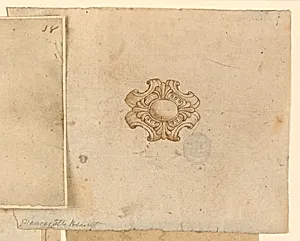
Oval Diamond Brooch
16th century
Classification
jewelry
Department
Smithsonian Collection
Museum
Smithsonian American Art Museum
Credit
Museum purchase through gift of various donors
Accession Number
1901-39-757
Rights
Public Domain
About this artwork
Research in Progress
Art Historical Context
Nestled in the Smithsonian American Art Museum's collection the *Oval Diamond Brooch is a captivating jewel from the 16th, exemplifying the era's fascination with precious gems. Acquired through a museum purchase funded by generous donors, this piece falls under the jewelry classification, highlighting the decorative arts' role in preserving historical treasures. Though research is ongoing, its oval form suggests the refined craftsmanship of Renaissance jewelers, who prized diamonds for their rarity and sparkle. In the 16th century diamonds—sourced primarily from India—were symbols of wealth and status among European nobility. Brooches like this one were often pinned to garments or hats, serving both ornamental and fastening purposes. The unknown medium underscores the piece's mystery, inviting visitors to ponder the techniques of early diamond setting, likely involving simple cuts that maximized light reflection without modern faceting. Today, this brooch offers a window into Renaissance luxury, reminding us how personal adornments encapsulated cultural aspirations. As studies continue, it promises deeper revelations about its origins and artistry.
About the Artist
Unknown
The artist designated as "Unknown" in our virtual museum's collection exemplifies a poignant chapter in art history: creators whose identities have faded into obscurity despite the enduring power of their work. With only one known artwork attributed to them in our holdings, this figure represents countless anonymous hands that shaped visual culture across centuries. Museums worldwide, including th...