
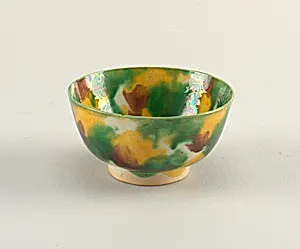
Pair of bowls
1662–1722
Classification
ceramics
Department
Smithsonian Collection
Museum
Smithsonian American Art Museum
Credit
Gift of Paul Manheim
Accession Number
1968-155-4-a,b
Rights
Public Domain
About this artwork
Research in Progress
Art Historical Context
This elegant pair of ceramic bowls, to the late 17th or early 18th century (1662–1722), a glimpse into everyday artistry from America's Colonial era. Housed in the Smithsonian American Art Museum as part of the Smithsonian Collection, these vessels were generously gifted by Paul Manheim Though the specific medium and artist remain unidentified— with ongoing research illuminating their story—they exemplify the humble yet essential role of ceramics in colonial households. Created during a time when European settlers adapted traditional pottery techniques to New World resources, such bowls likely served practical purposes like serving food or mixing ingredients. Ceramics from this period bridged functionality and subtle decoration, reflecting influences from English, Dutch, or German potters who shaped early American material culture. Their survival highlights the durability of these handcrafted objects amid the challenges of frontier life. As research progresses, these bowls invite us to ponder the unnamed artisans behind them—skilled makers whose work formed the foundation of American decorative arts. A quiet testament to colonial ingenuity, they remind visitors of the artistry in the ordinary.
About the Artist
Unknown
The artist designated as "Unknown" in our virtual museum's collection exemplifies a poignant chapter in art history: creators whose identities have faded into obscurity despite the enduring power of their work. With only one known artwork attributed to them in our holdings, this figure represents countless anonymous hands that shaped visual culture across centuries. Museums worldwide, including th...