
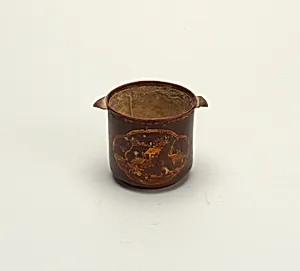
Pair of cachepots and liners
Ca. 1765
Medium
metalwork
Classification
metalwork
Department
Smithsonian Collection
Museum
Smithsonian American Art Museum
Credit
Gift of Rodman A. Heeren
Accession Number
1969-156-3-a,aa
Rights
Public Domain
About this artwork
Research in Progress
Art Historical Context
This elegant pair of cachepots and liners, crafted around 1765, exemplifies mid-18th-century American metalwork from the Smithsonian American Art Museum Cachepots were decorative outer containers designed to hold and beautify indoor flower pots, lining them with practical inner vessels like these to protect plants and enhance aesthetics. Made during the Colonial era, such pieces reflected the growing sophistication of American households, blending functionality with ornamental appeal in everyday life. Metalwork from this period was a hallmark of skilled craftsmanship, frequently produced by itinerant silversmiths or local workshops using techniques like chasing, repoussé, and piercing to create intricate designs. Though the artist's identity remains unknown—befitting many anonymous works of utilitarian art—these cachepots highlight the era's fusion of European influences with emerging American styles, possibly Rococo flourishes suited to the tastes of affluent colonists. A generous gift from Rodman A. Heeren, this pair now enriches the Smithsonian's collection, where ongoing research promises to uncover more about its origins and makers. Visitors are invited to ponder how such humble yet refined objects brought nature's charm into colonial parlors, bridging art, utility, and history.
About the Artist
Unknown
The artist designated as "Unknown" in our virtual museum's collection exemplifies a poignant chapter in art history: creators whose identities have faded into obscurity despite the enduring power of their work. With only one known artwork attributed to them in our holdings, this figure represents countless anonymous hands that shaped visual culture across centuries. Museums worldwide, including th...