
Panel
Unknown Artist
13th–14th century
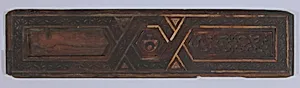
Medium
Wood; carved and inlaid with bone or ivory
Classification
Wood
Department
Islamic Art
Museum
Metropolitan Museum of Art, New York, NY
Credit
Rogers Fund, 1907
Accession Number
07.236.2
Rights
Public Domain
Art Historical Context
This exquisite wooden panel, crafted by an unknown artist in the 13–14th century, the masterful decorative arts of the Islamic world. Housed in the Metropolitan Museum of Art's Islamic Art Department (acquired through the Rogers Fund in 7), it likely originated from a mosque, palace or scholarly complex in regions like Egypt, Syria, the eastern Islamic lands during the medieval period. This era saw flourishing patronage under dynasties such as the Mamluks and Ilkhanids, wherework adorned interiors to create spiritual and aesthetic harmony without figurative imagery, adhering to aniconic traditions. The panel's medium—wood carved in intricate relief and inlaid with bone or ivory—highlights sophisticated techniques that transformed humble materials into luminous art. Artisans employed fine chisels to sculpt geometric patterns, arabesques, and possibly epigraphic bands, then meticulously inlaid contrasting materials for a shimmering effect. This marquetry method not only demonstrated technical virtuosity but also symbolized the infinite order of the universe, a core theme in Islamic design. For visitors, this panel offers a window into everyday opulence of medieval Islamic society, where such pieces elevated architecture into prayerful beauty. Its preservation invites us to appreciate the anonymous genius behind centuries of cultural splendor.