
Panel
ca. 1725
Medium
tiles
Classification
tiles
Department
Smithsonian Collection
Museum
Smithsonian American Art Museum
Credit
Gift of William Randolph Hearst
Accession Number
1941-76-1-cc
Rights
Public Domain
About this artwork
Research in Progress
Art Historical Context
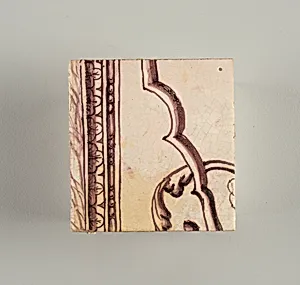
This elegant tile panel, dating to around 1725, exemplifies the refined decorative arts of the early 18th century. Crafted by an unknown artist, it belongs to the Smithsonian American Art Museum's collection of tiles, generously gifted by newspaper magnate and avid collector William Randolph Hearst. As a medium, tiles were prized for their durability and vibrant glazes, often adorning fireplaces, walls, or architectural panels in prosperous homes. In the historical context of colonial America, such panels likely arrived via transatlantic trade routes from European centers like the Netherlands or England, where tin-glazed earthenware—known as delftware—was a hallmark of craftsmanship. This piece reflects the era's blend of functionality and ornamentation, showcasing how everyday interiors became canvases for artistic expression amid growing colonial wealth. Research into this panel is ongoing, inviting us to ponder its original setting and motifs. Whether depicting landscapes, biblical scenes, or floral designs common to the period, it stands as a tangible link to the tastes and technologies of 300 years ago, reminding visitors of the artistry hidden in humble materials.
About the Artist
Unknown
The artist designated as "Unknown" in our virtual museum's collection exemplifies a poignant chapter in art history: creators whose identities have faded into obscurity despite the enduring power of their work. With only one known artwork attributed to them in our holdings, this figure represents countless anonymous hands that shaped visual culture across centuries. Museums worldwide, including th...