
Pantalone
18th century
Medium
theater
Classification
theater
Department
Smithsonian Collection
Museum
Smithsonian American Art Museum
Credit
Gift of Mrs. E.C. Chadbourne
Accession Number
1921-7-7
Rights
Public Domain
About this artwork
Research in Progress
Art Historical Context
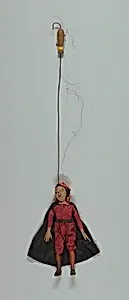
Step into the lively world of 18th-century European theater with *Pantalone*, a artifact from the Smithsonian American Museum's collection. This, gifted by Mrs. E.C. Chad, embodies the iconic Commedia dell character Pantalone—a miserly Venetian merchant known for his scheming ways, exaggerated greed, and comic misfortunes. As a "theater" medium, likely represents a costume, mask, or prop essential to the improvisational performances that entertained audiences across Italy and beyond from the Renaissance through the Enlightenment. Commedia dell'arte, flourishing in the 16th to 18th centuries, revolutionized theater with its stock characters, physical comedy, and lazzi (slapstick routines). Pantalone, often depicted in a black suit, red cape, and distinctive half-mask with a hooked nose, symbolized the folly of wealth and age. Artifacts like this highlight the craftsmanship of period theatrical design, where vibrant fabrics, leatherwork, and symbolic accessories brought timeless human vices to life on makeshift stages. Housed in the Smithsonian Collection, *Pantalone* offers a window into cultural exchange and performance traditions that influenced modern comedy, from Punch and Judy to contemporary improv. Though research continues, its presence reminds us how theater artifacts preserve the exuberance of bygone eras, inviting us to laugh at eternal truths. (198 words)
About the Artist
Unknown
The artist designated as "Unknown" in our virtual museum's collection exemplifies a poignant chapter in art history: creators whose identities have faded into obscurity despite the enduring power of their work. With only one known artwork attributed to them in our holdings, this figure represents countless anonymous hands that shaped visual culture across centuries. Museums worldwide, including th...