
Plate
1770–75
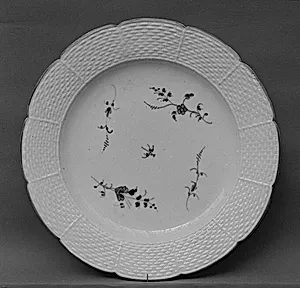
Medium
Soft-paste porcelain
Dimensions
Diameter: 9 5/16 in. (23.7 cm)
Classification
Ceramics-Porcelain
Culture
French, Chantilly
Department
European Sculpture and Decorative Arts
Museum
Metropolitan Museum of Art, New York, NY
Credit
Gift of Alfred Duane Pell, 1902
Accession Number
02.6.207
Rights
Public Domain
Tags
Art Historical Context
This elegant plate, crafted at the Chantilly porcelain factory in France between 1770 and 1775, exemplifies the refined taste of 18th-century European decorative arts. Made of soft-paste porcelain—a material prized for its creamy, luminous surface before the widespread adoption of harder Chinese-style formulas—the piece measures just over nine inches in diameter. Produced during the waning years of the Rococo era, it reflects the Chantilly manufactory’s reputation for delicate, high-quality tableware favored by French nobility. The plate’s floral decoration highlights the factory’s signature style, blending naturalistic blooms with graceful, hand-painted motifs typical of the period. Chantilly artisans often drew inspiration from both European gardens and East Asian designs, creating lively yet balanced compositions that elevated everyday dining into an aesthetic experience. Soft-paste allowed for subtle color layering and fine detailing impossible in earlier ceramics. Donated to the Metropolitan Museum of Art in 1902 by collector Alfred Duane Pell, this work offers visitors a window into France’s porcelain heritage and the cultural prestige attached to such objects. Its modest scale belies the technical mastery and artistic sensibility that made Chantilly wares highly sought after across Europe.